
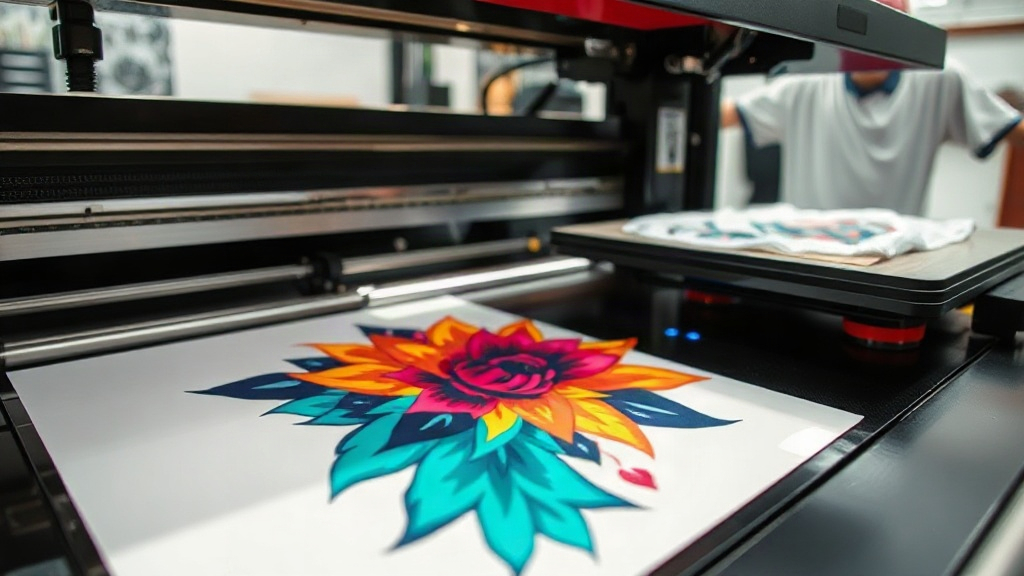
DTF printing has taken the custom apparel world by storm, offering a versatile and cost-effective alternative to traditional methods like screen printing and heat transfer vinyl. But what exactly is DTF, and how does it work? In this guide, we'll break down the entire process, from printing to pressing, and explore why it's become a favorite among small businesses and large manufacturers alike.
What is DTF Printing?
DTF stands for Direct to Film. It's a printing method where a design is printed onto a special PET film using a printer equipped with white ink, then transferred onto fabric using a heat press. Unlike DTG (Direct to Garment) which prints directly onto the shirt, DTF prints onto a film first, which is then applied to the garment. This allows for high-detail, vibrant prints on a wide range of fabrics, including cotton, polyester, and blends.
How Does DTF Printing Work?
The DTF process involves several key steps:
- Design Creation: Your design is created digitally using graphic design software. It's then prepared for printing, with colors separated and white ink layer added.
- Printing: The design is printed onto a special PET film using a DTF printer. This printer uses CMYK inks plus a white ink layer, which is printed as a base to ensure colors pop on dark garments.
- Adhesive Powder Application: While the ink is still wet, a hot-melt adhesive powder is applied to the film. This powder is what will bind the design to the fabric during pressing.
- Curing: The film is passed through a curing oven or heat tunnel to melt and fix the adhesive powder and inks.
- Pressing: Once cured, the film is placed on the garment with the design facing down. A heat press is used to apply pressure and heat, typically around 350°F (175°C) for 15-20 seconds. The adhesive melts, bonding the design to the fabric.
- Peeling: After pressing, the film is peeled away, leaving the printed design on the garment.
Equipment and Materials Needed for DTF Printing
To start a DTF printing operation, you'll need the following:
- DTF Printer: A printer that supports white ink, either a dedicated DTF printer or an Epson printer converted with a DTF conversion kit.
- PET Film: Specifically designed for DTF, this film is coated to hold the ink and transfer it cleanly.
- Adhesive Powder: Hot-melt powder that activates under heat.
- Heat Press: A standard heat press for t-shirts or other garments.
- Curing Oven or Heat Tunnel: For smaller operations, a heat press can be used to cure the film before pressing, but a dedicated oven is more efficient for larger volumes.
- RIP Software: To manage color printing and white ink layers accurately.
Benefits of DTF Printing
DTF has become popular for many reasons:
- Versatility: Works on almost any fabric, including cotton, polyester, nylon, and blends, without pre-treatment.
- Durability: Prints are stretchable and washable, making them ideal for activewear and everyday use.
- Detail: Can produce fine details and vibrant colors, similar to DTG but with better durability.
- No Pretreatment: Unlike DTG, DTF doesn't require pre-treating garments, saving time and money.
- Small Runs: Perfect for printing on demand or small batches without minimum order quantities.
- Cost-Effective: For small runs, DTF is cheaper than screen printing, which has setup costs.
DTF vs. Other Printing Methods
It's helpful to compare DTF with other common methods:
- DTF vs. DTG: DTG prints directly on the garment and works best on 100% cotton. DTF works on more fabrics and is more durable. DTG has a softer feel, but DTF is faster for multiple prints.
- DTF vs. Screen Printing: Screen printing is cheaper for large quantities (like 50+ shirts) but has high setup costs. DTF is more cost-effective for small runs and offers easier color changes.
- DTF vs. Heat Transfer Vinyl (HTV): HTV is best for simple designs with few colors. DTF can produce full-color, photographic designs without weeding.
Tips for Successful DTF Printing
To get the best results, consider these practical tips:
- Calibrate Your Printer: Regularly clean and calibrate your printer to ensure consistent color output.
- Use Quality Materials: Invest in good PET film and adhesive powder. Cheap supplies lead to poor prints.
- Control Humidity: DTF inks can be sensitive to humidity. Store materials properly and keep your printing area dry.
- Test Before Full Run: Always do a test print and press to check for issues like peeling or color accuracy.
- Set the Right Pressing Parameters: The ideal temperature and time vary by fabric and film. Experiment to find what works best.
- Handle the Film Carefully: Avoid touching the printed surface to prevent smudging or contamination.
Common Mistakes to Avoid
Even experienced printers make mistakes. Here are common pitfalls:
- Using Too Much Adhesive Powder: Excess powder can cause a rough feel and reduce washability.
- Insufficient Curing: If the adhesive isn't fully cured, it won't bond properly, leading to peeling.
- Wrong Peeling Method: Some films require hot peeling (immediately after pressing), others cold. Follow the manufacturer's instructions.
- Ignoring Fabric Compatibility: While DTF works on many fabrics, some blends may require lower temperatures.
Applications of DTF Printing
DTF is used for various products:
- Custom t-shirts and hoodies
- Sports jerseys and athletic wear
- Tote bags and accessories
- Workwear and uniforms
- Home décor like pillows and blankets
Frequently Asked Questions
Is DTF printing durable?
Yes, DTF prints are highly durable. When properly applied, they can withstand repeated washing and stretching without cracking or fading. The adhesive powder creates a strong bond between the ink and fabric, ensuring longevity.
Can DTF be used on dark garments?
Absolutely. One of the key advantages of DTF is its ability to print on dark fabrics. The white ink layer acts as an underbase, making colors vibrant and opaque, even on black shirts.
What is the difference between DTF and DTG?
The main difference is the process: DTF prints onto a film that is then transferred to the fabric, while DTG prints directly onto the garment. DTF works on more fabric types and tends to be more durable, while DTG offers a softer hand feel.
How much does it cost to start a DTF printing business?
Startup costs vary. A basic setup with a converted printer, heat press, and supplies can cost around $2,000 to $5,000. For a more professional setup with a dedicated DTF printer and curing oven, expect to invest $10,000 or more.
Can DTF prints be washed?
Yes, DTF prints are washable. To maintain quality, wash garments inside out in cold water and tumble dry on low. Avoid using bleach or harsh detergents. Properly cured prints can last for many washes.
Conclusion
DTF printing is a revolutionary technique that offers flexibility, durability, and high-quality results. Whether you're a hobbyist or running a full-scale production, understanding how DTF works empowers you to create stunning custom apparel. By mastering the process and avoiding common mistakes, you'll be able to produce professional-grade prints that satisfy your customers and stand out in the market.