
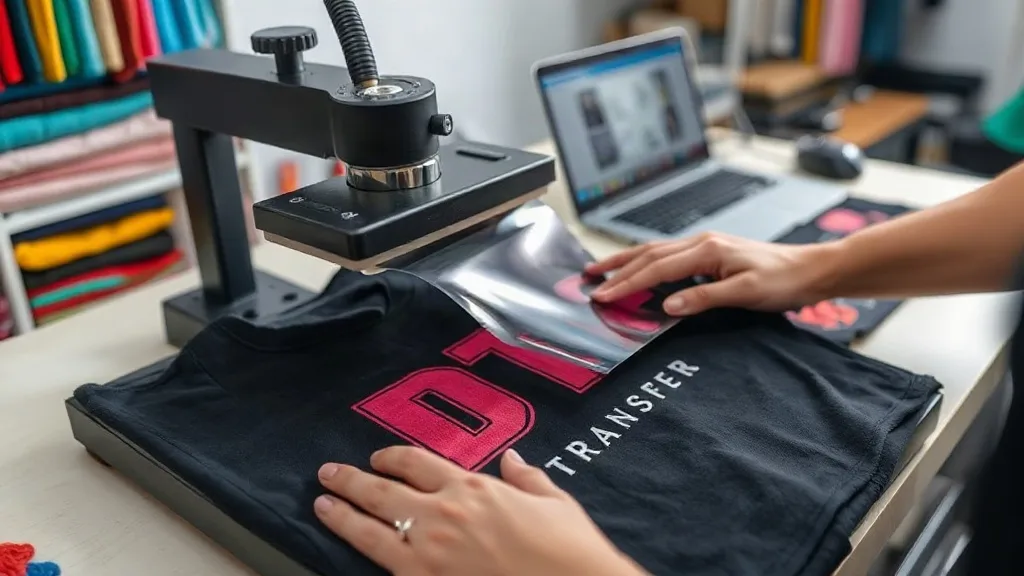
If you've been exploring custom apparel printing, you've likely encountered dtf transfers. This innovative technology is changing the way designers and hobbyists approach fabric printing, offering a versatile and cost-effective alternative to traditional methods. Whether you're running a small print shop or just starting out, understanding DTF can open up a world of possibilities for creating stunning, long-lasting designs.
What Are DTF Transfers?
DTF stands for Direct-to-Film. It's a printing method where your design is printed onto a special film, coated with a adhesive powder, and then heat-pressed onto fabric. Unlike DTG (Direct-to-Garment) printing, which requires pre-treatment and works best on cotton, dtf transfers can adhere to a wide range of materials, including polyester, blends, and even nylon. This flexibility makes it a favorite among those who work with diverse fabric types.
How Does the DTF Printing Process Work?
The DTF process involves several key steps, each crucial for achieving professional-quality results. Here's a breakdown:
1. Design Preparation
Start with a high-resolution image. The design is printed onto a PET film using specialized DTF inks. These inks are vibrant and durable, ensuring your final print pops.
2. Powder Application
While the ink is still wet, a hot-melt adhesive powder is applied to the film. The excess powder is shaken off, leaving a fine layer that will bond the design to the fabric.
3. Curing
The film is then heated to melt the powder, creating a smooth, adhesive surface. This step is critical for ensuring the transfer adheres properly and withstands washing.
4. Heat Pressing
Finally, the film is placed on the fabric and pressed with a heat press. The heat and pressure transfer the design from the film to the fabric, resulting in a permanent bond.
Why Choose DTF Transfers?
There are several compelling reasons to consider DTF for your next project:
- Versatility: Works on almost any fabric, including dark colors and synthetic materials.
- Durability: Prints resist cracking, fading, and peeling even after multiple washes.
- No Pre-Treatment: Saves time and reduces costs compared to DTG printing.
- Vibrant Colors: Achieve bright, detailed designs without the need for color limitations.
- Cost-Effective: Low setup costs make it ideal for small batches and custom orders.
DTF vs. Other Printing Methods
Understanding how DTF stacks up against other techniques can help you make informed decisions. Here's a quick comparison:
- DTF vs. DTG: DTF works on more fabrics and doesn't require pre-treatment, but DTG can be more cost-effective for large cotton orders.
- DTF vs. Screen Printing: Screen printing is economical for bulk orders but lacks DTF's flexibility for small runs and complex designs.
- DTF vs. Vinyl: Vinyl is limited to simple shapes and colors, while DTF handles intricate details and gradients with ease.
Tips for Perfect DTF Transfers
To ensure your DTF transfers come out flawless, keep these tips in mind:
- Use Quality Film and Powder: Inferior materials can lead to poor adhesion and dull colors.
- Calibrate Your Heat Press: Always check temperature and pressure settings; consistency is key.
- Store Transfers Properly: Keep unused film in a cool, dry place to prevent moisture damage.
- Test on Scrap Fabric: Before pressing your final piece, do a test run to dial in settings.
- Follow Wash Instructions: Wait 24 hours before washing, and turn garments inside out to prolong life.
Finding DTF Transfers Near You
If you're looking to try DTF but don't want to invest in equipment, you can order custom transfers online. When searching for dtf transfers near me, look for reputable suppliers who offer high-quality prints and fast turnaround. Many services allow you to upload your design and receive ready-to-press transfers, making it easy to get started without the hassle of production.
Common Mistakes to Avoid
Even with a straightforward process, beginners often encounter pitfalls. Watch out for these:
- Over-pressing: Too much heat can scorch the fabric or cause the transfer to become glossy.
- Insufficient pressure: Leads to poor adhesion and early peeling.
- Ignoring fabric type: Some fabrics may require adjusted temperature or pressure settings.
- Using expired powder: Old powder may not melt properly, affecting durability.
Frequently Asked Questions
Can I use DTF transfers on 100% polyester?
Yes, DTF works excellently on polyester. In fact, it often adheres better to synthetics than other methods, providing vibrant colors without the need for special treatments.
How long do DTF transfers last?
With proper application and care, DTF prints can last as long as the garment itself. They resist cracking and fading for 50+ washes when washed inside out in cold water.
Do I need a commercial heat press for DTF?
While a commercial heat press gives the best results, you can use a home iron or a small craft press for occasional projects. Just ensure you can maintain consistent temperature and pressure.
Can I layer DTF transfers?
Yes, you can layer multiple transfers, but it's recommended to press each layer separately and use a cover sheet to protect the design.
Is DTF eco-friendly?
DTF is relatively eco-friendly compared to some methods, as it uses water-based inks and produces less waste. However, the film and powder do contribute to plastic waste, so recycling programs are emerging.
Whether you're a seasoned pro or just starting, DTF transfers offer a reliable and versatile way to bring your designs to life. With the right knowledge and tools, you can achieve professional results that impress clients and keep them coming back.