If you've been exploring custom apparel printing, you've likely encountered dtf transfers. This innovative technology is transforming the way designers, small business owners, and hobbyists create vibrant, durable prints on fabric. Unlike traditional methods that require specialized equipment or limit your material choices, DTF (Direct-to-Film) printing offers unmatched versatility and ease of use. In this guide, we'll break down everything you need to know about DTF transfers, from how they work to pro tips for flawless application.
What Are DTF Transfers?
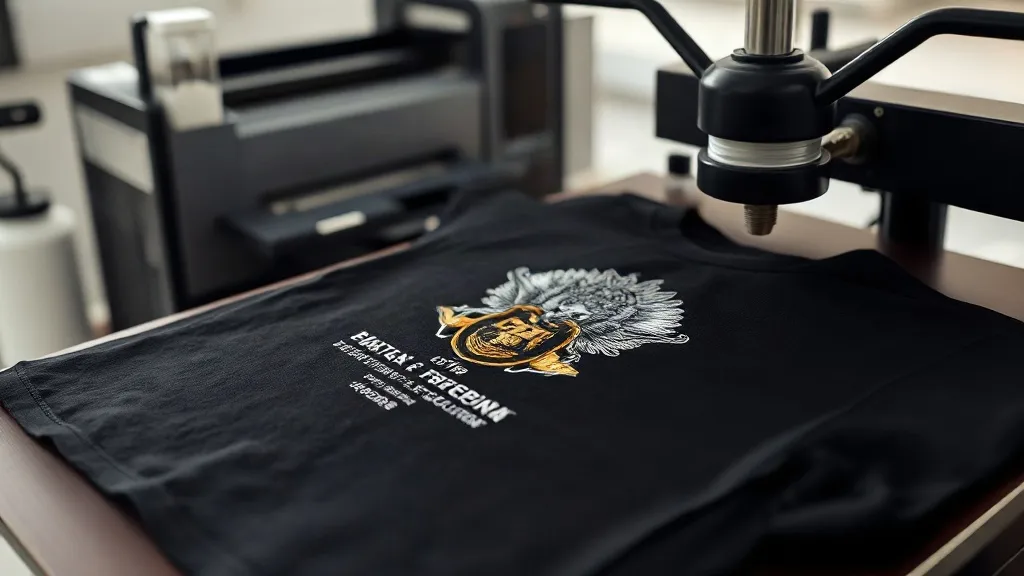
DTF transfers are printed designs on a special film that can be heat-pressed onto fabrics. The process involves printing your artwork onto a PET film using specialized dtf inks, then applying a powder adhesive while the ink is still wet. Once the powder is melted, the transfer is ready to be pressed onto a garment. This method eliminates the need for pre-treatment or weeding, making it faster and more accessible than vinyl or screen printing.
The Science Behind DTF
The magic of DTF lies in its layered construction. The film acts as a carrier, while the ink provides the color and the powder adhesive ensures a strong bond with the fabric. When heat is applied, the adhesive melts and fuses with the fibers, creating a flexible, stretchable print that withstands repeated washing. This is why DTF transfers are popular for sportswear and items that require durability.
Why Choose DTF Transfers Over Other Methods?
Whether you're a seasoned pro or just starting, DTF offers several compelling advantages:
- No color limitations: Unlike screen printing, DTF can reproduce full-color designs with gradients and fine details without extra cost.
- Works on almost any fabric: From cotton and polyester to blends and even nylon, DTF adheres well to a wide range of materials.
- No weeding or masking: Skip the tedious process of cutting and weeding vinyl. DTF transfers are ready to press straight out of the printer.
- Cost-effective for short runs: With no minimum order quantity and low setup costs, DTF is ideal for small batches and one-offs.
- Soft hand feel: Advancements in adhesive powders have made DTF prints incredibly soft and flexible, avoiding the plastic-like texture of older methods.
How to Apply DTF Transfers: Step-by-Step
Applying DTF transfers is straightforward, but following the correct steps ensures a professional, long-lasting result. Here's what you need to do:
- Preheat your heat press: Set the temperature to around 300°F (150°C) and preheat the garment for 5-10 seconds to remove moisture.
- Place the transfer: Position the DTF transfer on the garment with the printed side facing up. The adhesive side should be against the fabric.
- Press: Apply medium pressure for 10-15 seconds. Use a Teflon sheet or parchment paper to protect the transfer.
- Peel: Wait a few seconds for the transfer to cool slightly, then peel the film off in a smooth, steady motion. For a matte finish, peel while hot; for a glossier look, peel when cold.
- Post-press: Cover the design with parchment paper and press again for 5 seconds to enhance durability.
Pro tip: Always test on a scrap piece of fabric first to dial in your press settings.
Common Mistakes to Avoid with DTF Transfers
Even experienced users can run into issues. Here are some pitfalls to watch out for:
- Insufficient pressure: Without enough pressure, the adhesive won't bond properly, leading to peeling.
- Too much heat: Overheating can cause the film to warp or the adhesive to scorch, resulting in a stiff or discolored print.
- Pressing on uneven surfaces: Ensure your garment is flat and free of wrinkles. Use a pressing pillow for items like sleeves or collars.
- Ignoring fabric type: While DTF works on many fabrics, some (like nylon) may require lower temperatures to avoid melting.
Finding Quality DTF Transfers Near You
If you're searching for dtf transfers near me, you're in luck. Many local print shops and online retailers now offer DTF services. When choosing a supplier, look for vibrant color reproduction, consistent film quality, and fast turnaround. At DTF Pro Print, we specialize in high-quality DTF transfers that deliver stunning results every time. Whether you need a single custom design or a bulk order, we've got you covered.
DTF vs. Other Printing Methods: A Quick Comparison
To help you decide, here's how DTF stacks up against common alternatives:
- Screen Printing: Better for large orders of simple designs, but costly for multi-color or short runs. DTF wins for complexity and flexibility.
- Heat Transfer Vinyl (HTV): Great for simple shapes and text, but limited in color and detail. DTF handles full-color images with ease.
- Direct-to-Garment (DTG): Excellent for cotton, but requires pre-treatment and struggles on dark colors. DTF works on dark fabrics without pretreatment.
- Sublimation: Only works on polyester and light-colored fabrics. DTF is versatile across materials and colors.
Applications of DTF Transfers
DTF transfers are incredibly versatile. Here are just a few ways you can use them:
- Custom apparel: T-shirts, hoodies, leggings, and more.
- Sportswear: Jerseys, shorts, and performance wear that need stretchable prints.
- Accessories: Tote bags, hats, and even shoes.
- Home decor: Pillows, curtains, and fabric wall art.
- Promotional items: Branded uniforms, event merch, and giveaways.
Tips for Long-Lasting DTF Prints
To ensure your DTF transfers stand the test of time, follow these care instructions:
- Wash inside out in cold water.
- Avoid bleach and fabric softeners.
- Tumble dry on low or hang dry.
- Do not iron directly on the print.
- Wait at least 24 hours after pressing before washing.
Frequently Asked Questions
Can DTF transfers be applied to dark-colored fabrics?
Yes, DTF transfers work beautifully on dark fabrics. The white ink layer in the transfer provides a bright base, ensuring colors pop even on black or navy garments.
How durable are DTF transfers?
When applied correctly, DTF transfers are highly durable and can withstand 50+ washes without fading or cracking. Proper care will extend their life further.
Do I need a special printer for DTF transfers?
Yes, DTF printing requires a printer with DTF inks and a powder shaker. However, if you're not ready to invest in equipment, you can order pre-printed transfers from a supplier like DTF Pro Print.
What is the best temperature for pressing DTF transfers?
Generally, 300°F (150°C) is recommended, but it can vary by fabric and transfer type. Always perform a test press to find the optimal settings.
Can I layer DTF transfers?
Yes, you can layer DTF transfers, but it's best to press each layer separately. Use a lower temperature for subsequent presses to avoid disturbing the underlying layer.
DTF transfers have revolutionized custom printing by making it accessible, versatile, and cost-effective. Whether you're a business owner looking to expand your offerings or a hobbyist wanting to create personalized gifts, DTF is a skill worth mastering. With the right techniques and a reliable supplier, you'll be producing professional-quality prints in no time.