
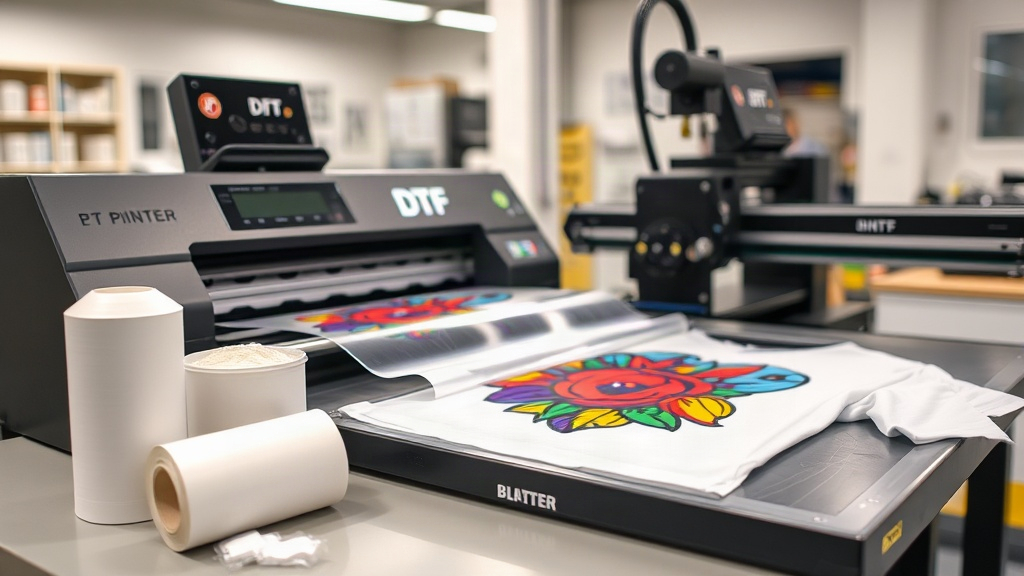
If you're in the custom apparel business or just starting out, you've probably heard about DTF transfers (Direct to Film). This innovative printing method has taken the industry by storm, offering a versatile and cost-effective way to create vibrant designs on various fabrics. In this comprehensive guide, we'll dive deep into what DTF transfers are, how they compare to other methods, the step-by-step process, and how you can leverage them to grow your business.
What Are DTF Transfers?
Direct to Film (DTF) printing is a technique where a design is printed onto a special PET film using a DTF printer and ink. The printed film is then coated with adhesive powder, cured, and finally heat-pressed onto a garment. The result is a durable, stretchable, and washable transfer that can be applied to cotton, polyester, blends, and even hard surfaces like mugs and wood.
Unlike traditional heat transfer vinyl (HTV) or screen printing, DTF transfers allow for full-color, high-detail prints with no weeding, making them a favorite among small business owners and hobbyists. The process is straightforward, and the startup cost is relatively low compared to other printing technologies.
DTF vs. Other Printing Methods
To truly understand the value of DTF transfers, it's helpful to compare them with other popular decoration methods:
- DTF vs. DTG (Direct to Garment): DTG prints directly onto the fabric, requiring a pretreatment for dark garments. DTF transfers can be pre-printed in bulk and applied quickly, making them ideal for on-demand or small batch orders without the need for expensive DTG equipment.
- DTF vs. Screen Printing: Screen printing is excellent for large orders with simple designs, but it's impractical for small runs or intricate, colorful artwork. DTF transfers offer similar durability and vibrancy but with no setup fees or minimum quantities.
- DTF vs. HTV: HTV requires cutting and weeding, which is time-consuming and limits design complexity. DTF prints are full-color and require no weeding, saving hours of labor.
This makes DTF transfers a game-changer for those who want to offer high-quality custom apparel without breaking the bank.
The DTF Process: Step by Step
Understanding how DTF transfers are made can help you appreciate their quality and troubleshoot any issues. Here's a breakdown of the process:
- Design Preparation: Create or upload your artwork. Ensure it's in high resolution (300 DPI) and use CMYK color mode for accurate prints.
- Printing on Film: Using a DTF printer, print the design onto a PET film with specialized DTF inks (usually in CMYK plus white). The white ink layer is essential for printing on dark fabrics.
- Applying Adhesive Powder: While the ink is still wet, cover the film with hot-melt adhesive powder. This powder sticks only to the printed areas.
- Curing: Heat the film to melt the adhesive powder, creating a bond between the ink and the powder. This step ensures the transfer will adhere to the fabric later.
- Heat Press Transfer: Place the film on the garment with the printed side down. Apply heat and pressure using a heat press (typically 300-320°F for 15-20 seconds).
- Peeling: After the transfer cools slightly (usually cold peel), peel off the film to reveal your vibrant, soft print.
Mastering this process requires practice, but once you get the hang of it, you can produce professional-quality prints in minutes.
Benefits of Using DTF Transfers
Why are so many businesses switching to DTF? Here are the key advantages:
- Versatility: You can print on almost any fabric, including cotton, polyester, nylon, and blends. DTF also works on non-textile surfaces like leather and canvas.
- Durability: DTF prints are highly durable, withstanding repeated washes and stretches without cracking or fading.
- No Weeding: Unlike HTV, there's no weeding involved, saving you tons of time and reducing errors.
- Vibrant Colors: The white underbase ensures colors pop, especially on dark garments.
- Cost-Effective for Small Runs: There are no setup costs, making DTF ideal for custom orders, small batches, and even single items.
- Print on Demand: You can print transfers in advance or on demand, giving you flexibility in your workflow.
How to Order DTF Transfers
If you don't want to invest in DTF printing equipment, you can order ready-to-apply DTF transfers from professional providers. Here's what to consider:
- File Preparation: Most suppliers require a high-resolution image with a transparent background (PNG). Make sure your design is legible and the colors are accurate.
- Choosing a Provider: Look for a supplier that uses quality inks and films. Read reviews and ask for samples to test the transfer's quality and performance.
- Size and Quantity: Decide on the sizes you need (e.g., 4x4, 8x10, 10x12 inches). Some suppliers offer bulk discounts, so plan your quantities accordingly.
- Production and Shipping: Check turnaround times and shipping costs. If you're on a deadline, choose a provider that offers express options.
- Test Before You Order Big: Always order a small test batch to evaluate the colors, durability, and ease of application before placing a large order.
Starting a Business with DTF Transfers
Many entrepreneurs are using DTF transfers to launch successful apparel businesses. Here's how you can get started:
Find Your Niche
Identify a target market: custom t-shirts for events, pet apparel, sports teams, or personalized gifts. Focus on a niche to build a loyal customer base.
Set Up Your Workspace
You'll need a heat press, a printer (if doing it yourself), and basic supplies. If ordering transfers, your main investment is the heat press and blank garments.
Create Designs That Sell
Use design tools like Adobe Illustrator or Canva to create original designs. Pay attention to trends and seasonal themes to attract customers.
Market Your Business
Set up an online store (Etsy, Shopify, etc.) and use social media to showcase your products. Offer promotions and collaborate with influencers to expand your reach.
Tips for Perfect DTF Transfers Every Time
To ensure your transfers come out flawless, follow these practical tips:
- Choose the Right Film: Use high-quality PET film specifically designed for DTF printing. The thickness and coating matter for adhesion.
- Calibrate Your Printer: Regularly run a nozzle check and clean the print head to avoid banding or missing colors.
- Use Enough Adhesive Powder: Too little powder can result in poor adhesion, while too much can cause a stiff feel. Aim for an even coat.
- Control Temperature and Pressure: The heat press temperature should be around 300-320°F, with medium to firm pressure. Adjust as needed based on your fabric.
- Test on Different Fabrics: Each fabric type may require slight adjustments. Always test on a scrap piece first.
- Store Transfers Properly: Keep unused transfers in a cool, dry place away from direct sunlight to preserve their quality.
By paying attention to these details, you'll produce professional results that will keep your customers coming back.
FAQs About DTF Transfers
Can DTF transfers be used on any fabric?
Yes, DTF transfers work on cotton, polyester, blends, and even some hard surfaces. However, the best results are on cotton and cotton blends. For high-polyester fabrics, you may need to adjust the pressure and temperature to avoid scorching.
How long do DTF transfers last?
With proper application and care, DTF transfers can last for many washes. They are resistant to cracking and peeling, making them a durable choice for everyday wear. To extend their life, wash garments inside out in cold water and avoid tumble drying on high heat.
Can I use DTF transfers for small orders?
Absolutely! One of the biggest advantages of DTF is its flexibility. You can order just a few transfers for a custom order or produce hundreds without any extra setup costs. This makes it perfect for small businesses and side hustles.
What equipment do I need to apply DTF transfers?
You'll need a heat press and a Teflon sheet or parchment paper. A heat press ensures even pressure and temperature, which is essential for a durable bond. While it's possible to use a home iron, it's not recommended for consistent results.
Can I use DTF transfers on dark shirts?
Yes, DTF transfers are excellent for dark garments because they include a white underbase. This white layer ensures that your design colors remain vibrant and opaque, even on black or navy fabrics.
Final Thoughts
DTF transfers have opened up a world of possibilities for custom printing enthusiasts and entrepreneurs. Whether you're looking to add a new revenue stream or simply create unique personalized items, this technology offers an accessible and efficient solution. By understanding the ins and outs of DTF, you can produce high-quality products that stand out in the market. So, why wait? Dive into the world of DTF transfers and unlock your creative potential today.