When you start searching for DTF transfers near me, you're likely after two things: speed and quality. Maybe you have a custom apparel business and a client just placed a rush order, or perhaps you're a hobbyist wanting to test a new design without waiting a week for shipping. The local route offers distinct advantages that online giants often can't match. In this article, we'll dive deep into why choosing a nearby provider can be a game-changer, how to identify the best one, and the key pitfalls to avoid. By the end, you'll know exactly what to look for and how to make the most of your local DTF transfer experience.
Why Local DTF Transfers Beat Long-Distance Shipping
If you've ever ordered custom transfers from an out-of-state company, you know the pain: waiting days for production, then more days for shipping, and if something goes wrong, you're stuck with email support that takes forever. Choosing a local provider flips that script. You get face-to-face interaction, the ability to see and feel the product before committing, and often, same-day or next-day pickup. For businesses, that speed translates directly to customer satisfaction and repeat orders.
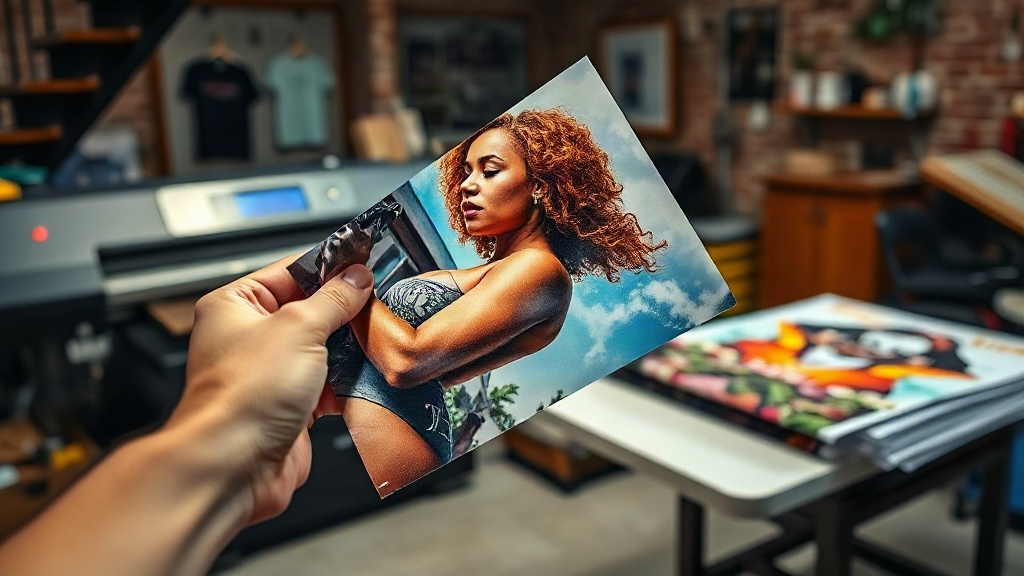
Another overlooked advantage is the ability to check the print quality in person. When you visit a local shop, you can request a sample print, examine the ink density, the DTF powder adhesion, and the overall feel of the transfer. This hands-on verification is impossible with an online order, where you're trusting photos and reviews. If the transfer doesn't peel correctly or the colors are off, you can walk back in and have them fix it on the spot.
The Hidden Costs of Shipping You Should Consider
While online prices might seem lower at first glance, shipping fees add up. Expedited shipping for those urgent orders can cost more than the transfers themselves. Plus, there's the risk of packages getting lost or damaged in transit, which delays your project and eats into your profit. When you factor in these hidden costs, local pricing often becomes competitive, especially for small to medium orders.
How to Find the Best DTF Transfer Provider in Your Area
Now that you're convinced local is the way to go, how do you find the best provider? It's not just about the closest shop. You need someone who delivers consistently high-quality transfers that withstand washing and wear. Start by asking for recommendations from other local entrepreneurs or printing businesses. Online directories and local business groups on social media are also excellent resources.
Once you have a few candidates, do a bit of detective work. Check their social media pages for recent photos of their work. Look for posts showing the printing process, not just the final product. This gives you insight into their equipment and expertise. A provider who regularly showcases their work is likely proud of their quality and transparent about their methods.
Questions to Ask When You Call or Visit
When you contact a potential provider, arm yourself with specific questions. Ask about their turnaround times, minimum order quantities, and whether they offer free samples. Inquire about the type of DTF film they use and if they offer white ink underbase as standard. A reputable provider will gladly answer these questions and might even invite you to their facility for a tour. This openness is a strong indicator of confidence in their product.
What to Look for in a High-Quality DTF Transfer
Understanding what makes a DTF transfer great will help you judge local providers. First, the print should have vibrant, saturated colors with no banding or fading. The white underbase should be crisp and fully opaque, especially for designs on dark fabrics. The adhesive powder should be evenly distributed, and the edges should be clean without excess powder sticking out.
Another key factor is durability. A quality transfer should withstand at least 30 to 50 washes without cracking or peeling. Ask the provider if they've tested their transfers for washability and what the maximum number of washes is. You can even do a quick test yourself by printing a sample, applying it to a scrap shirt, and running it through your washing machine a few times.
The Role of Equipment and Software
The quality of the final transfer heavily depends on the equipment used. Professional DTF printers with high-resolution heads and advanced color management software will produce sharper images and more accurate colors. Some local providers might still be using older models that can't achieve the same level of detail. Don't be afraid to ask about their printer brand and model. A provider who invests in quality equipment shows a commitment to their craft.
Common Mistakes to Avoid When Choosing a Local Provider
Even with careful research, it's easy to make mistakes. One common error is focusing solely on price. While budget is important, the cheapest option often means lower quality films, inks, or rushed production. You might end up with transfers that look great initially but fall apart after a few washes, leading to unhappy customers and lost business.
Another mistake is not checking the provider's past work with similar designs. If you need detailed, multi-colored graphics, make sure they have experience with that complexity. Show them a sample of your design and ask if they foresee any challenges. A good provider will offer constructive feedback on how to optimize your design for DTF printing, such as adjusting colors or adding outlines.
Relying on Word of Mouth Without Seeing the Work
Just because a friend recommends a provider doesn't mean they're right for your project. Everyone's standards and expectations differ. Always ask to see actual printed samples, not just digital mockups. If possible, bring your own fabric and request a test print. This small investment can save you from a costly mistake down the road.
How to Build a Long-Term Relationship with Your Local DTF Provider
Once you find a reliable local provider, nurturing that relationship benefits both of you. Communicate clearly about your needs, provide timely feedback, and pay on time. In return, you might get priority scheduling during peak seasons, better pricing on bulk orders, and a partner who genuinely cares about your success. Many local shops thrive on repeat customers and will go the extra mile to keep you happy.
Consider sharing your own insights about trends and customer preferences. This collaborative approach can lead to innovative solutions, like new color combinations or specialty finishes that set your products apart. A strong local partnership is more than a vendor relationship; it's a strategic alliance.
Frequently Asked Questions
What is the typical turnaround time for local DTF transfers?
Turnaround times vary depending on the provider's workload and the complexity of your design. Many local shops offer standard 24 to 48 hour production, with rush options for an extra fee. When you visit the shop, ask about their current schedule. Some providers even offer same-day service for simple designs if you order early in the morning.
Can I get a sample before placing a large order?
Absolutely, and you should always ask for one. Reputable local providers understand the importance of testing. Some might offer a free sample for first-time customers, while others may charge a small fee. This sample allows you to evaluate the print quality, feel, and wash durability before committing to a bulk order.
Do local DTF transfer providers offer design help?
Yes, many local shops have in-house designers who can assist with file preparation, color correction, and even creating a design from scratch. This service is often included or available at a reasonable cost. It's a huge advantage because you can discuss your vision face-to-face and get immediate feedback on what will work best for DTF printing.
What is the minimum order quantity for local DTF transfers?
Minimum order quantities (MOQ) differ from shop to shop. Some local providers are flexible and accept orders as small as 1 to 10 pieces, which is perfect for testing new designs or fulfilling small custom orders. Others might have a higher MOQ of 50 or more to make their production runs efficient. Always clarify this upfront to avoid surprises.
How do I prepare my design files for DTF printing?
Most providers accept common file formats like PNG, JPEG, or AI. Your design should be in high resolution (at least 300 DPI) and have a transparent background if you want a seamless look. If your design has text, make sure it's converted to outlines to avoid font issues. When in doubt, ask your local provider for their specific file requirements.