When you need custom t-shirts for an event or your small business, finding the right printing partner can make or break your project. DTF (Direct to Film) printing has become a popular choice for many because it offers vibrant colors, excellent durability, and the ability to print on various fabrics. But how do you find the best DTF transfers near you? And what should you look for to ensure quality and value? In this guide, I'll share practical steps to locate reliable local providers, compare their services, and get prints that look professional and last.
Why DTF Transfers Are Changing Custom Apparel
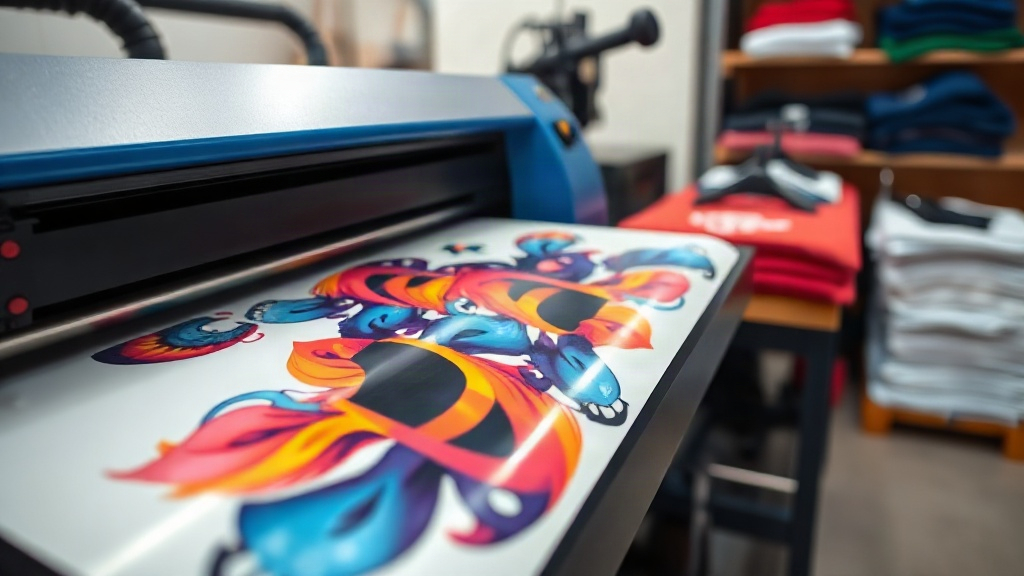
Unlike traditional screen printing or heat transfer vinyl, DTF transfers involve printing your design onto a special film, applying adhesive powder, and then heat-pressing it onto the garment. This method stands out because it allows for highly detailed, full-color designs without the need for screens or weeding. Plus, it works well on cotton, polyester, blends, and even tricky materials like nylon. For small batches or one-off items, DTF is often more cost-effective than screen printing, which requires minimum quantities.
Another big advantage is the soft hand feel. The prints don't crack or fade easily, even after multiple washes. That's why both hobbyists and established brands are turning to DTF transfers for their apparel needs. But to get these benefits, you need to work with a reputable provider. So, how do you find one nearby?
How to Find DTF Transfers Near Me
The phrase "DTF transfers near me" might seem straightforward, but it's not just about proximity. You want a local shop that offers high-quality prints, fair prices, and good customer service. Here's a step-by-step approach to narrow down your options.
1. Start with a Local Online Search
Use search engines and maps to find businesses that provide DTF services. Type in "DTF transfers near me" and you'll likely see a list of local print shops. Look for those that specialize in DTF or list it among their services. Check their websites and social media pages to see examples of their work, their pricing, and customer reviews. Many shops post photos of recent orders, which can give you an idea of their print quality.
2. Ask for Recommendations
If you know other business owners, event organizers, or crafters who use custom apparel, ask them where they get their prints. Personal recommendations often lead to trustworthy providers. You can also join local Facebook groups or forums dedicated to small business owners or DIYers. Someone in those communities has likely used a DTF service and can share their experience.
3. Visit or Contact the Shop
Once you have a shortlist, reach out to each shop. Ask about their turnaround times, minimum order quantities, and pricing. If possible, visit the shop in person. This allows you to see their equipment and discuss your project face-to-face. Many local shops are happy to show samples and explain their process.
What to Look for in a DTF Transfer Provider
Not all DTF services are created equal. To get the best results, evaluate potential providers based on several key factors.
Print Quality and Resolution
Ask to see printed samples, especially ones with fine details, gradients, or small text. The print should be sharp, with no pixelation or blurriness. DTF can handle high-resolution images, so if the sample looks fuzzy, that's a red flag. Also, check the vibrancy of colors. They should be bold and true to your design.
Film and Ink Quality
The quality of the film and ink used affects durability. Premium films peel off cleanly and don't leave a heavy texture. Inks should be resistant to cracking and fading. A reputable provider will use materials from trusted brands. Don't hesitate to ask what type of film and ink they use.
Turnaround Time
Depending on your needs, turnaround time can be crucial. Some shops offer same-day or next-day service for small orders, while others may take a week or more. Clarify this upfront, especially if you have a deadline for an event or a client order.
Pricing and Minimums
DTF is cost-effective for small quantities, but prices vary. Some shops charge per print, while others have setup fees. Ask for a quote based on your design and quantity. Also, ask about minimum order quantities. Many local shops accept orders as low as one piece, but some may require a minimum of 10 or more. Choose a provider whose minimums align with your needs.
Customer Support and Design Help
If you're not a designer, you might need help preparing your artwork. Look for a shop that offers design assistance or at least gives clear guidelines for file formats (like PNG, AI, or PSD). Good customer support means they'll answer your questions and help you avoid common mistakes.
Comparing Local DTF Services: Questions to Ask
When you contact different shops, ask these specific questions to compare them fairly:
- What is your minimum order quantity? Do you offer discounts for larger orders?
- What is the average turnaround time? Do you have rush options?
- Can you handle full-color designs and complex details?
- What fabric types do you recommend for DTF? Are there any limitations?
- What is your pricing structure? Are there any hidden fees?
- Do you provide a proof before production?
- What is your policy if I'm not satisfied with the prints?
Listening to their responses will give you insight into their professionalism and reliability. A shop that communicates clearly and transparently is more likely to deliver a great product.
The Cost of DTF Transfers: What to Expect
Pricing for DTF transfers can vary based on size, color count, quantity, and the provider's overhead. On average, you might pay between $2 and $10 per transfer for small to medium designs, with discounts for bulk orders. But remember, cheaper isn't always better. Low prices might mean lower quality materials or rushed work. It's worth paying a little more for a print that won't crack or fade after a few washes.
To get the best value, ask for a detailed quote that breaks down costs per unit, setup fees, and any additional charges like shipping if you're having transfers mailed to you. If you're comparing local shops, keep in mind that you might save on shipping by picking up your order, but you may also be paying sales tax.
How to Prepare Your Artwork for DTF Printing
To ensure your prints come out exactly as you envision, prepare your files correctly. Most shops accept common formats like PNG, JPEG, PDF, or vector files. Here are some tips:
- Use high-resolution images (at least 300 DPI) to avoid pixelation.
- Convert your design to the appropriate color profile (usually CMYK or RGB, depending on the shop's preference).
- Include any necessary outlines or cut paths if you need a custom shape.
- If your design has small text, ensure it's large enough to be legible when printed.
- Remove any background or white areas if you want a transparent effect.
If you're unsure, ask the shop for their file requirements. Many will help you adjust your design to meet their specs.
DIY vs. Professional DTF Transfers: Which Is Right for You?
Some crafters consider investing in their own DTF printer to make transfers at home. While this can be rewarding, it requires a significant upfront investment in equipment and supplies. For occasional projects or small businesses, working with a professional local provider is often more cost-effective and saves time. You also avoid the learning curve of troubleshooting printing issues.
However, if you plan to produce large volumes regularly, having your own setup might pay off in the long run. But for most people, using a professional service ensures consistent quality and lets you focus on other aspects of your business.
Frequently Asked Questions
How long do DTF transfers last?
With proper care, DTF transfers can last for many washes. Typically, they hold up well for 50 to 100 washes without significant fading or cracking. To extend their life, wash garments inside out in cold water and avoid using bleach or high-heat drying.
Can DTF transfers be used on any fabric?
Yes, DTF works on a wide range of fabrics, including cotton, polyester, blends, and even some nylons. However, for very stretchy or high-performance athletic fabrics, you might need special adhesives. Always test a sample if you're unsure.
What is the difference between DTF and screen printing?
Screen printing involves creating a stencil and pushing ink through it onto the fabric. It's cost-effective for large runs but requires setup for each color. DTF prints full-color designs onto a film and then transfers them, making it ideal for small batches and intricate designs. DTF also has a softer feel and better detail.
How do I wash garments with DTF transfers?
Wash them inside out in cold water with mild detergent. Avoid fabric softeners, as they can break down the adhesive. Tumble dry on low heat or hang dry. Do not bleach or dry clean. Following these steps will help your prints last longer.
Can I order a single DTF transfer for a one-off project?
Many local shops accept single-piece orders, but they may charge a higher per-unit price to cover costs. It's always best to ask. If you're making a special gift or a single custom shirt, a local provider can likely accommodate you.
Final Thoughts
Finding the right DTF transfers near me doesn't have to be overwhelming. By doing a bit of research, asking the right questions, and preparing your artwork properly, you can partner with a local business that delivers high-quality prints that make your designs shine. Whether you're creating merch for your brand, uniforms for a team, or gifts for loved ones, professional DTF services offer a reliable and versatile solution. So start your search with these tips, and you'll be wearing your custom creations in no time.