
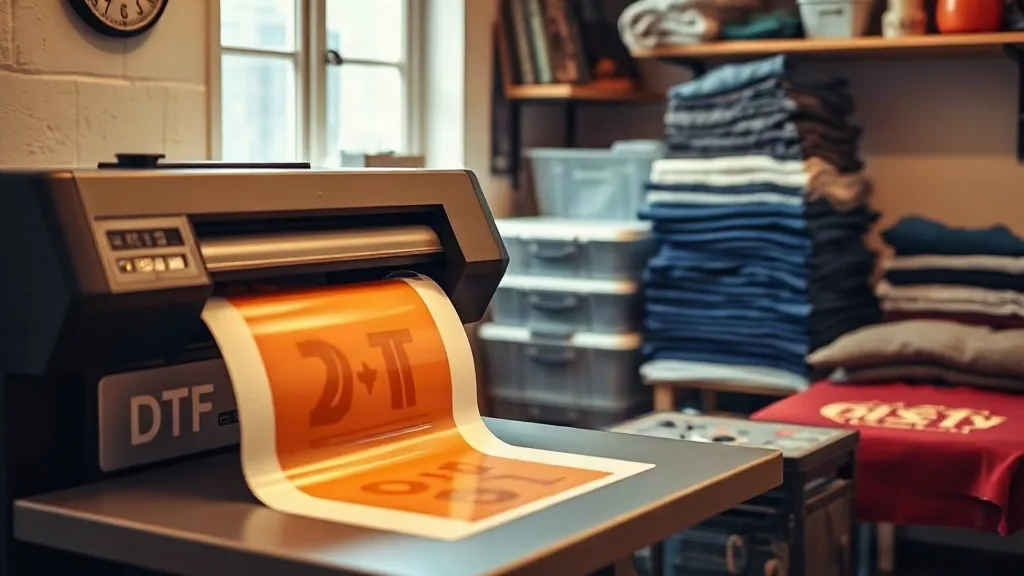
If you run a small print shop, you have probably faced the dilemma of turning down small orders because screen printing setup costs eat the profit. Or you have struggled with heat transfer vinyl on designs with fine details and many colors. dtf transfers offer a way out of that corner. They let you produce full-color, detailed prints on demand without the setup hassle of traditional methods. In this guide, I will walk through what DTF is, how it fits into a small shop's workflow, and the practical details that make or break the process. This is not theory. It comes from working with shops that have adopted DTF and from the questions they ask most often.
What Exactly Are DTF Transfers?
DTF stands for direct-to-film. The process involves printing a design onto a special film using a DTF printer, applying a powder adhesive to the wet ink, and then curing the powder with heat. The result is a transfer that can be stored and later applied to fabric with a heat press. Unlike DTG, which prints directly onto the garment, DTF separates the printing and the application. That separation is what makes it so useful for small shops. You can print a batch of transfers when you have downtime, then apply them to shirts as orders come in. No minimums, no screens, no color limitations. The same dtf transfer can go on cotton, polyester, blends, and even some non-fabric materials if you adjust the heat press settings.
Why Small Shops Are Adding DTF to Their Services
The economics of small-batch production have always been tricky. Screen printing requires a screen per color, and setup time makes short runs expensive. DTF changes that equation. A single transfer can be produced in minutes, and the cost per print drops significantly as you gang multiple designs onto one film. For a shop that handles a lot of one-off requests, team jerseys, or sample prints, DTF is a practical addition. It also handles complex artwork with gradients, fine lines, and photographs far better than vinyl. And because the transfer is applied with heat and pressure, it bonds well to a wide range of fabrics, including those that are difficult to print with other methods.
Cost Considerations
Startup costs for DTF are lower than for screen printing but not negligible. You need a DTF printer, a shaker or powder application unit, a heat press, and supplies like film, ink, and powder. For a small shop, a desktop DTF printer can be a reasonable entry point. The per-print cost depends on ink coverage and film size. On average, a letter-sized transfer costs somewhere between $1 and $3 in materials, but that varies with the design. The real savings come from eliminating setup time and being able to produce on demand. Many shops find that DTF pays for itself within a few months if they actively market short-run and custom orders.
Setting Up a DTF Workflow That Works
A smooth workflow is the difference between DTF being a profit center and a headache. Here is a sequence that has worked well for shops that are new to the process.
- Design preparation: Ensure your artwork is high resolution and has a transparent background. DTF printers use CMYK plus white ink, so the white layer is generated automatically. Check that fine details are at least 1 point thick to avoid dropout.
- Printing: Load the film into the printer and print. Most DTF printers have a roll-to-roll or sheet-fed option. For small runs, sheet-fed is often more economical.
- Powder application: While the ink is still wet, apply the adhesive powder evenly. A shaker unit helps, but manual application works for low volume. Shake off excess powder.
- Curing: Melt the powder using a heat source, typically a heat gun or a curing oven. The powder should melt and look glossy, not burnt. This step is critical for durability.
- Pressing: Set your heat press to the temperature and pressure recommended for your transfer and fabric. Typically, 300-320°F for 10-15 seconds with medium pressure. Peel the film while hot or cold depending on the film type.
Each step has variables that affect the final quality. For example, too much powder leads to a stiff feel, while too little causes poor adhesion. Humidity can affect how the powder sticks. Keeping a log of settings for different fabrics will save you time and reduce waste.
Common Pitfalls and How to Avoid Them
Even with a good workflow, issues can arise. Here are some of the most frequent problems and their solutions.
- Inconsistent adhesion: This usually comes from insufficient pressure or uneven heat. Check your heat press with a temperature gun and ensure the platen is level.
- Color fading after washing: If the transfer fades quickly, the curing step may have been inadequate. The powder needs to melt fully to encapsulate the ink. Also, washing inside out in cold water extends the life of any printed garment.
- Film curling: Store film in a dry place and avoid exposing it to direct sunlight. Curled film can jam the printer.
- White ink issues: White ink settles, so shake ink cartridges or bags regularly. Clogged white nozzles are a common cause of poor opacity.
Many of these issues can be diagnosed by printing a test transfer and pressing it onto a scrap piece of fabric. Keep a notebook or digital log of what works.
Finding Reliable DTF Transfers Near You
If you are not ready to invest in a DTF printer, you can still offer DTF prints by ordering transfers from a supplier. When searching for dtf transfers near me, look for suppliers who provide consistent quality, fast turnaround, and clear instructions. A good supplier will offer a range of film types and provide technical support. Ordering transfers is also a way to test the market before committing to equipment. Many shops start by outsourcing transfers for large or complex orders and gradually bring the process in-house as demand grows.
Is DTF Right for Your Shop?
DTF is not a one-size-fits-all solution. It excels at short runs, complex designs, and fabrics that are hard to print with other methods. It is less competitive for very large orders where screen printing still wins on cost per unit. But for the majority of small shops that serve local customers with varied needs, DTF fills a gap. The key is to understand the process, invest in the right equipment, and maintain quality control. With a bit of practice, DTF can become a reliable and profitable service that keeps customers coming back.
Frequently Asked Questions
How durable are DTF transfers after washing?
When applied correctly, DTF transfers can last as long as the garment. They withstand dozens of washes without significant fading or cracking. Proper curing and using the right heat press settings are essential. Always wash inside out in cold water and avoid ironing directly on the print.
Can I use DTF transfers on dark and light fabrics?
Yes. DTF transfers include a white ink layer that makes them opaque on dark fabrics. On light fabrics, the white layer can be adjusted or omitted to keep the print soft. Your printer software or supplier can advise on the best settings.
What fabrics work best with DTF?
DTF works well on cotton, polyester, blends, and even some synthetics like nylon. It is not recommended for fabrics with heavy coatings or waterproof finishes, as the adhesive may not bond properly. Always test on a scrap piece first.
Do I need a special heat press for DTF?
A standard heat press works for DTF, but it should have accurate temperature control and even pressure. Some shops use a dedicated DTF press with a larger platen for efficiency, but it is not required to get started.
How long does it take to learn DTF printing?
Most people can learn the basics in a day, but mastering quality control takes practice. Factors like powder application, curing, and pressing pressure require experimentation. Expect a learning curve of a few weeks to consistently produce sellable transfers.