
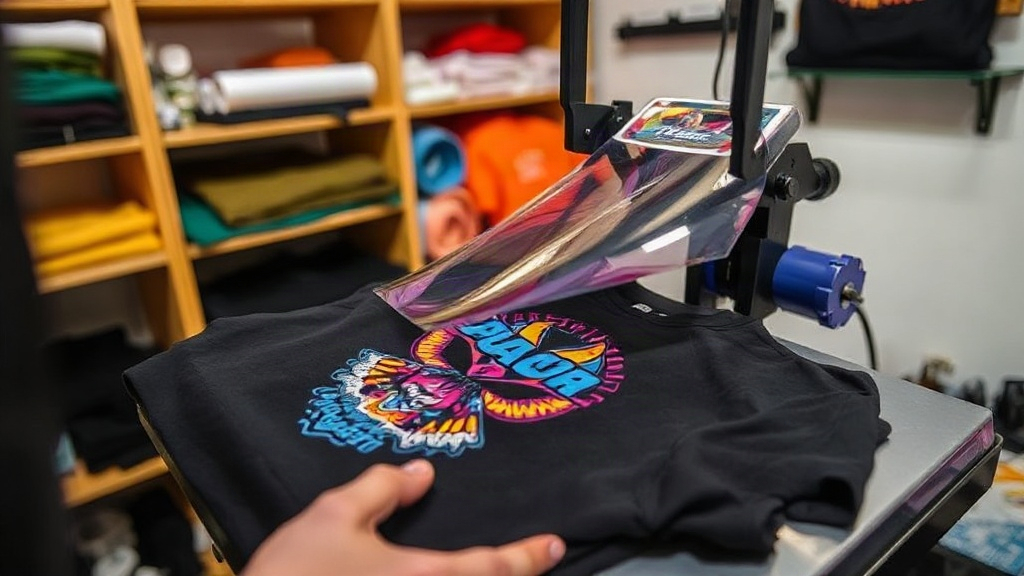
If you're looking to start or expand a custom apparel business, you've likely heard about DTF transfers. These versatile heat-applied graphics have taken the industry by storm, offering a cost-effective and high-quality alternative to traditional screen printing and vinyl. In this comprehensive guide, we'll dive deep into what DTF transfers are, how they work, their benefits, and how you can use them to create stunning custom products.
What Are DTF Transfers?
DTF stands for Direct to Film. It's a printing method where a design is printed onto a special PET film using a DTF printer and specialized inks. The printed film is then coated with a hot-melt adhesive powder, which is melted and cured. The final transfer can be stored and later applied to various fabrics using a heat press. Essentially, you print on film, then transfer the design onto your garment via heat.
This process differs from DTG (Direct to Garment) where you print directly onto the shirt. DTF allows for more flexibility because you can print designs in advance and apply them when needed. It's also excellent for vibrant colors and detailed graphics.
How Are DTF Transfers Made?
Creating DTF transfers involves several key steps:
- Design: First, you create or prepare your artwork using graphic design software. Ensure it's at the correct resolution (typically 300 DPI) and in CMYK color mode.
- Printing: The design is printed onto the PET film using a DTF printer. These printers use white, cyan, magenta, yellow, and black inks. White ink is crucial as it acts as an underbase for colors on dark garments.
- Application of Adhesive Powder: While the ink is still wet, a hot-melt adhesive powder is applied over the printed film. This powder sticks only to the inked areas.
- Curing: The film with the powder is passed through a heat source (like a curing oven or dryer) to melt the powder, which creates a strong bond when later heat-pressed.
- Cutting: After curing, the transfer is ready. You can cut around the design if you're applying it as a whole, or you can purchase pre-cut transfers.
Once prepared, the transfer can be stored in a cool, dry place until you're ready to use it.
Advantages of Using DTF Transfers
Why are DTF transfers becoming so popular? There are numerous benefits:
- Versatility: DTF transfers work on a wide range of fabrics, including cotton, polyester, blends, and even some harder surfaces like bags and caps.
- Durability: The transfers are highly durable and can withstand repeated washing without cracking or fading.
- Vibrant Colors: Because of the white underbase, colors appear vibrant even on dark fabrics.
- Soft Hand Feel: The resulting print has a soft, flexible texture that doesn't feel stiff or heavy.
- No Need for Pre-Treatment: Unlike DTG, you don't have to pre-treat the garment before printing.
- Ease of Use: You can print in bulk and apply transfers later, which is perfect for on-demand production.
- Cost-Effective for Small Runs: It's economical for both small and large quantities, without the setup costs of screen printing.
DTF Transfers vs. Other Printing Methods
To truly understand the value of DTF transfers, it's helpful to compare them with other methods:
DTF vs. DTG
DTG prints directly onto the garment, which can be slower for bulk orders and requires pre-treatment for some fabrics. DTF allows you to print designs on film in advance, speeding up the process. DTF also tends to have more vibrant colors and better durability on certain fabrics.
DTF vs. HTV (Heat Transfer Vinyl)
HTV is great for solid colors and simple designs, but it's not suitable for detailed, multicolored graphics. DTF can reproduce complex designs with gradients and fine details, making it superior for intricate artwork.
DTF vs. Screen Printing
Screen printing is cost-effective for large runs but requires expensive setup and separate screens for each color. DTF has no setup costs, making it ideal for small to medium orders and designs with many colors.
How to Use DTF Transfers
Using DTF transfers is straightforward, but following the correct steps ensures a professional finish:
Step 1: Prepare Your Garment
Make sure the fabric is clean and free of wrinkles. Pre-press the garment for a few seconds to remove moisture and ensure a flat surface.
Step 2: Position the Transfer
Place the transfer on the garment with the film side up. For the entire design, you can place the film and press. For individual transfers, you'll position the graphic where you want it.
Step 3: Heat Press
Use a heat press set to around 320°F (160°C) with medium pressure. Press for about 10 to 15 seconds. The exact time and temperature may vary depending on the manufacturer's instructions, so always test first.
Step 4: Peel the Film
After pressing, wait for the film to cool slightly (about 10 seconds) and then peel it off. For some transfers, you might need to peel hot, so always check recommendations.
Step 5: Final Press (Optional)
Some people do a quick final press with a protective sheet to ensure the adhesive is fully activated and the design is sealed. This step can enhance durability.
Tips for Perfect DTF Transfers
To get the best results with DTF transfers, keep these tips in mind:
- Test First: Always do a test press on a scrap fabric to adjust time and temperature.
- Use a Teflon Sheet: Place a Teflon sheet over the transfer to protect the film and the garment.
- Pressure: Ensure even pressure across the entire design. Uneven pressure can cause parts of the design not to adhere.
- Peeling Technique: Peel the film slowly and at the right temperature. Peeling too early or too late can affect the finish.
- Storage: Keep unused transfers in a cool, dry place to prevent the adhesive from degrading.
- Washing Instructions: Recommend washing garments inside out in cold water and air drying to extend the life of the print.
Common Applications of DTF Transfers
DTF transfers are perfect for a variety of products:
- T-Shirts and apparel
- Hoodies and sweatshirts
- Tote bags
- Caps and hats
- Mousepads
- Aprons and other promotional items
The lightweight and flexible nature makes them suitable for many fabrics, from cotton to nylon.
Why Choose DTF Transfers for Your Business?
If you're a small business owner or a hobbyist, DTF transfers offer an accessible entry into custom printing. You don't need a massive investment in equipment; you can start with just a printer, film, and a heat press. Plus, the ability to print on demand reduces inventory costs.
Moreover, the quality and durability of DTF prints ensure customer satisfaction, leading to repeat orders. Whether you're personalizing gifts or producing for a local market, DTF transfers provide a professional result.
Frequently Asked Questions
Do DTF transfers work on dark garments?
Yes, absolutely. The white ink underbase ensures that colors appear vibrant and opaque even on black or dark-colored fabrics. This is one of the main advantages of DTF printing.
How many washes can DTF transfers withstand?
With proper application and care, DTF transfers can withstand 50 or more washes without significant fading or cracking. The key is to follow the recommended heat press settings and washing instructions.
Can I use DTF transfers on 100% polyester?
DTF transfers work well on polyester and polyester blends. However, because polyester is sensitive to high heat, you may need to adjust the temperature and pressing time to avoid melting the fabric. Always test on a small area first.
What equipment do I need to make DTF transfers?
To produce DTF transfers yourself, you need a DTF printer (or a converted Epson printer with a DTF kit), PET film, DTF inks, adhesive powder, and a heat press. If you don't want to print them yourself, you can purchase ready-made transfers from suppliers like dtfproprint.com.
How do I remove DTF transfer film if it sticks?
If the film doesn't peel off easily, it might be because the temperature was too low or the pressing time was too short. Try increasing the temperature slightly and pressing again for a few seconds, then peel.
Conclusion
DTF transfers are a game-changer in the custom printing industry. They combine the versatility of digital printing with the durability of screen printing, all at a price point that's accessible for small businesses. Whether you're a seasoned printer or just starting, incorporating DTF transfers into your workflow can expand your product offerings and impress your customers with high-quality, long-lasting prints.
Now that you have a thorough understanding, it's time to experiment and see why so many professionals are switching to DTF. Happy printing!