
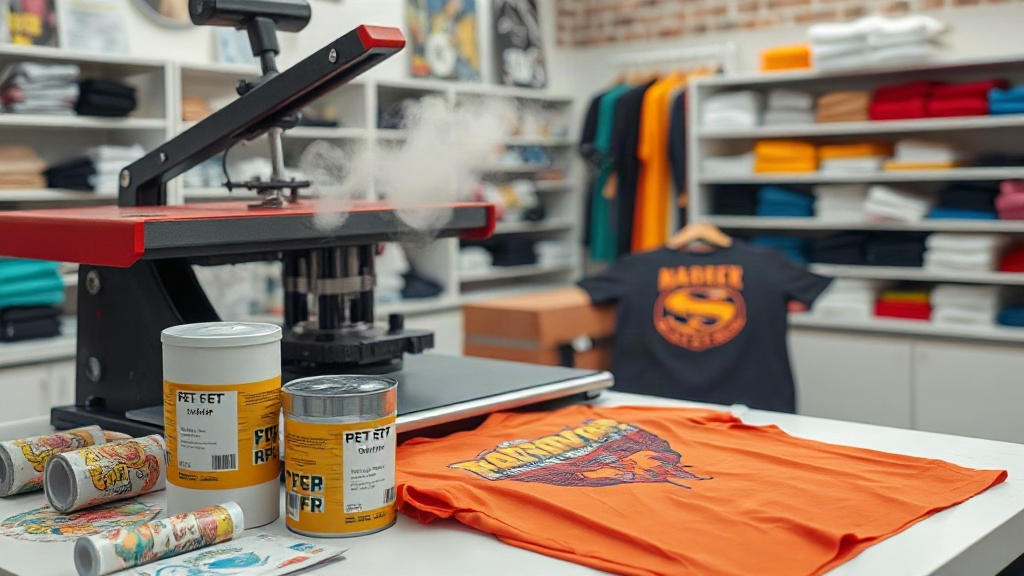
DTF transfers, or Direct to Film transfers, are taking the custom apparel industry by storm. If you're looking for a printing method that combines versatility, durability, and vibrant color output, you've likely heard the buzz. But what exactly are they, and how can you use them to elevate your projects? Whether you're a small business owner, a hobbyist, or just someone curious about modern printing techniques, this guide is your one-stop resource.
At its core, DTF printing involves printing a design onto a special PET film, applying adhesive powder, and then heat-pressing that film onto a garment or other substrate. The result? A soft, flexible, and eye-catching print that can be applied to a wide range of materials, from cotton t-shirts to polyester jerseys. Unlike traditional screen printing, DTF allows for high-detail, full-color prints without the need for screens or complex setup. And unlike vinyl, it offers the photo-quality detail that today's consumers crave.
But the true magic of DTF transfers lies in their practicality. They can be produced on demand, stored for later use, and applied quickly with just a heat press. This makes them ideal for print-on-demand businesses, custom orders, and even personal projects. In this comprehensive guide, we'll dive deep into how DTF works, why it's a better choice for many applications, and how you can achieve professional results every time.
How DTF Transfers Work
To truly appreciate DTF transfers, you need to understand the process behind them. It's a fascinating blend of technology and artistry that has revolutionized the industry.
The Step-by-Step Process
The DTF printing process is straightforward, but each step is crucial for producing a high-quality transfer. Here's what happens from start to finish:
- Design creation: First, you create or select a digital design. This can be anything from simple text to a detailed illustration with multiple colors and gradients. Because DTF can handle high resolution, the sky's the limit.
- Printing on film: The design is printed onto a special PET film using a DTF printer. The printer uses CMYK plus white ink. The white ink is essential because it provides a base that makes colors pop, especially on dark garments.
- Applying adhesive powder: While the ink is still wet, a fine adhesive powder is applied to the film. This powder is what allows the transfer to stick to the fabric later. It's typically applied with a shaker or a powder applicator.
- Curing the powder: The film is then heated (often through an oven or a dryer) to melt the adhesive powder. This creates a smooth, sticky layer that will later bond with the fabric.
- Press and peel: When you're ready to apply the transfer, you place the film on the garment with the printed side facing down. Then, you press it with a heat press at the appropriate temperature and pressure for the specified time. After cooling slightly, you peel the film away, leaving the vibrant print on the fabric.
This process might sound simple, but it requires precision and the right equipment. However, once you get the hang of it, you can produce professional-looking transfers in just a few minutes per piece.
Why Choose DTF Transfers?
With so many printing methods available, what makes DTF stand out? Let's explore the key benefits that have made it a favorite among print shops and DIYers alike.
Versatility Across Fabrics
One of the biggest advantages of DTF transfers is their ability to work on almost any fabric. Unlike sublimation, which only works on polyester, DTF works beautifully on cotton, polyester, blends, and even materials like denim and canvas. This versatility opens up a world of possibilities for your product line.
Vibrant, Detailed Prints
Because DTF printing uses a high-resolution print head and white ink underlay, it can reproduce fine details and a wide color gamut. You can print gradients, shadows, and even photographs with stunning clarity. The white base ensures that colors stay true and bright, even on dark backgrounds. So if you're looking for a method that can handle complex designs, DTF is a solid choice.
Durability That Lasts
No one wants a print that cracks or peels after a few washes. DTF transfers are known for their excellent stretchability and adhesion. When applied correctly, they can withstand repeated washing and wearing without significant fading or cracking. This durability means your customers will be happy with their purchases, leading to repeat business and positive reviews.
Cost-Effective for Small Runs
Traditional screen printing requires expensive setup and minimum order quantities. DTF, on the other hand, has no such constraints. You can print a single item or a hundred without worrying about setup costs. This makes DTF perfect for print-on-demand businesses, custom gifts, or limited-edition runs. You can also produce transfers in advance and store them, which helps streamline your workflow.
Ease of Use
Once you've mastered the basics, DTF is surprisingly simple. The equipment is user-friendly, and the process is largely automated. Plus, the ability to print small batches on demand means less waste and more flexibility.
DTF Transfers vs. Other Methods
To fully appreciate DTF, it helps to compare it with other popular printing techniques. This will help you understand its unique place in the market and decide if it's the right fit for your needs.
DTF vs. Screen Printing
Screen printing has been the industry standard for decades, especially for large runs. It produces thick, durable prints that are great for simple designs with limited colors. However, setting up screens is time-consuming and expensive, making it impractical for small orders or designs with many colors. DTF, on the other hand, offers full-color detail without the setup hassle. For short runs and complex designs, DTF is often more economical and efficient.
DTF vs. Vinyl
Vinyl cutting is another popular method, especially for names and numbers on jerseys. It's easy to use and precise, but it's limited to solid colors and flat designs. Vinyl can also feel a bit stiff and can crack over time. DTF transfers allow for multi-colored designs, gradients, and a softer feel, making them a more versatile option for many applications.
DTF vs. Sublimation
Sublimation is fantastic for all-over prints and on polyester garments. The colors are vibrant because they become part of the fabric. However, sublimation won't show up on cotton or dark fabrics. DTF, with its white ink base, can handle those fabrics, making it a more flexible choice for various products.
Essential Tips for Perfect DTF Transfers
Getting great results with DTF requires attention to detail. Here are some pro tips to help you achieve flawless prints every time.
Choose the Right Film and Powder
Not all PET films are created equal. Look for films that are designed for DTF printing and have good ink absorption. Similarly, select a high-quality adhesive powder that matches the type of film you're using. The powder particle size can affect the print's hand feel, so experiment with different options to find what works best for your garments.
Calibrate Your Printer
Color management is crucial for consistent results. Make sure your printer is properly calibrated, and use ICC profiles to ensure accurate colors. Also, keep your printhead clean to avoid streaks or banding.
Optimize the Curing Process
The curing step is critical for activating the adhesive. If the temperature is too low or the time too short, the adhesive won't fully melt, leading to poor adhesion. If it's too high, you might scorch the film. Follow the manufacturer's recommendations and test different settings for your specific setup.
Master the Heat Press
When pressing, make sure the temperature and pressure are appropriate for the fabric you're using. A heat press with a digital display and adjustable pressure is ideal. Use a Teflon sheet or parchment paper to protect the garment and the transfer. Pressing time is also critical; too short and the transfer won't bond, too long and you might damage the fabric.
Peel at the Right Time
Whether to peel hot or cold depends on the film and powder you use. Some transfers work best peeled hot, while others require cooling before peeling. Test to see which method yields the best result for your materials. Usually, peeling warm (just after pressing) gives a shiny finish, while cold peeling results in a matte look.
Test, Test, Test
Before committing to a large order, always run a test press on a scrap fabric. This helps you fine-tune your settings and avoid costly mistakes. Keep a record of your successful settings for different fabric types.
Common Mistakes to Avoid
Even experienced printers can run into issues. Here are some common pitfalls and how to avoid them.
Using Too Much or Too Little Powder
Excessive powder can cause a stiff print and may not adhere properly. Too little powder leads to weak adhesion and flaking. Use just enough to cover the printed area evenly. A powder shaker with a sifter can help distribute it uniformly.
Incorrect Pressing Temperature
If the heat is too low, the adhesive won't melt, and the transfer won't stick. If it's too high, you might melt the film or yellow the fabric. Always check the recommended temperature for your film and fabric, and measure the actual platen temperature with a heat gun for accuracy.
Neglecting Pre-Press
Pre-pressing the garment for a few seconds removes moisture and wrinkles, ensuring better adhesion. It's a small step that makes a big difference.
Skipping the Curing Step
Some people try to skip the curing process or use a heat press instead of an oven. This can lead to uneven melting and poor results. Invest in a proper curing oven or use a heat press with a low setting to cure the powder adequately.
Applications of DTF Transfers
The versatility of DTF opens up a wide range of applications. Here are some popular ways you can use DTF transfers.
Custom Apparel
From T-shirts and hoodies to hats and aprons, DTF is perfect for creating custom apparel. Whether you're making team uniforms, promotional items, or personalized gifts, DTF offers the flexibility and quality you need.
Accessories
You're not limited to clothing. DTF transfers can be applied to tote bags, backpacks, and even shoes. This makes it easy to expand your product range without investing in new equipment.
Home Decor
Think throw pillows, tablecloths, and even curtains. With DTF, you can add unique designs to home textiles, giving your customers a way to express their style.
Sportswear
Because DTF works on polyester and other athletic fabrics, it's great for sports uniforms, jerseys, and performance wear. The prints are flexible and can withstand the rigors of activity.
Frequently Asked Questions
Can DTF transfers be used on dark fabrics?
Absolutely! One of the key advantages of DTF is that it uses a white ink base, which ensures that colors remain vivid even on dark fabrics. The white layer acts as an underlay, so the design doesn't get lost in the dark background.
How long do DTF prints last?
With proper application and care, DTF prints are incredibly durable. They can withstand numerous washes without fading or cracking. The lifespan depends on factors like fabric type, washing conditions, and heat settings. Generally, you can expect the print to last as long as the garment itself.
Is DTF printing eco-friendly?
DTF printing is relatively eco-friendly compared to some traditional methods. It uses less water and produces less waste, especially because you can print on demand and avoid overproduction. However, like any printing process, it's important to dispose of films and powders responsibly.
What equipment do I need for DTF printing?
To get started, you'll need a DTF printer (often an Epson or similar with a specialized ink set), PET film, adhesive powder, a curing oven or heat press for curing, and a heat press for applying the transfer. Some setups use a heat press for both curing and application, but an oven is more efficient for curing.
Can I use regular ink for DTF?
No, you must use ink specifically designed for DTF printing. Regular ink won't adhere to the film properly or provide the required flexibility and color vibrancy. DTF inks are typically pigment-based and include a white ink that is essential for the process.
Conclusion
DTF transfers have truly changed the game for custom apparel printing. Their versatility, cost-effectiveness, and high-quality output make them an excellent choice for businesses and individuals alike. Whether you're just starting or looking to upgrade your current printing methods, DTF offers a world of possibilities.
By understanding the process, investing in the right equipment, and following best practices, you can produce stunning prints that delight your customers and stand the test of time. So why not give DTF a try? You might just find that it becomes your go-to method for all your printing needs.