
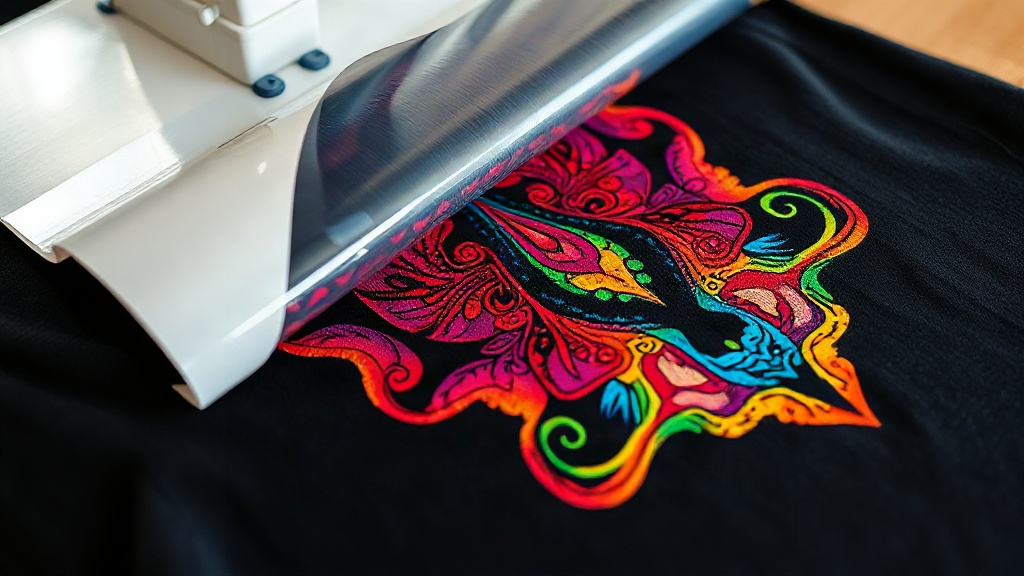
If you are exploring the world of custom apparel printing, you have likely encountered the term dtf transfers. This innovative method has revolutionized how small businesses and hobbyists create vibrant, durable designs on garments. Unlike traditional screen printing or heat transfer vinyl, DTF offers a unique blend of flexibility, color quality, and ease of use. In this comprehensive guide, we will dive deep into what DTF transfers are, how they work, their advantages, and how you can leverage them for your printing projects.
What Are DTF Transfers?
DTF stands for Direct to Film. The process involves printing your design onto a special PET film using a printer equipped with white ink capability. After printing, a powdered adhesive is applied to the wet ink, and the film is passed through a heat source to cure the powder. The result is a transfer that can be applied to a wide range of fabrics using a heat press. Unlike other methods, DTF transfers allow you to print complex, full-color designs with soft texture and excellent stretchability.
How Do DTF Transfers Work?
The entire process might seem technical, but it is quite straightforward once you break it down. Let us walk through each step, from the initial design to the final press.
Step 1: Design and Printing
Your journey begins with a digital design. You can create artwork in any graphic software, ensuring it is in CMYK mode for color accuracy. Once ready, you print it onto a DTF film using a specialized printer. The printer lays down colors first, followed by a layer of white ink. This white base is crucial because it makes the colors pop on dark fabrics.
Step 2: Applying Adhesive Powder
After the ink is deposited, the film goes through a powder application station. A fine adhesive powder is shaken over the wet ink, and the excess is removed. The powder sticks only to the printed areas, creating a tacky surface that will bond with the fabric later.
Step 3: Curing the Powder
Next, the film passes through a curing oven or is heated with a heat gun. This melts the adhesive powder, fusing it to the ink. The film is now a complete transfer, ready to be stored or applied immediately.
Step 4: Heat Press Application
Finally, you place the transfer onto your garment with the printed side facing down. Using a heat press at around 160°C (320°F) for about 15 seconds with medium pressure, the adhesive melts and bonds the design to the fabric. After peeling off the film, you are left with a vibrant, durable print.
Why Choose DTF Transfers?
DTF transfers offer a host of benefits that make them a go-to choice for many printers, whether they are just starting or are established businesses.
Versatility Across Fabrics
One of the biggest advantages is the ability to print on virtually any fabric. Cotton, polyester, blends, denim, nylon, and even leather can all be customized with DTF transfers. This flexibility is unmatched by other methods like sublimation, which only works on polyester, or screen printing, which can be tricky on certain materials.
Exceptional Color Vibrancy and Detail
DTF printing delivers stunning color saturation. The white ink layer ensures that even on dark garments, your colors remain vivid and true to the original design. Additionally, DTF can reproduce fine details and gradients with precision, making it perfect for complex artwork and photographic images.
Soft Hand Feel and Durability
Unlike thick plastisol prints, DTF transfers have a soft texture that does not crack or fade easily. The adhesive bonds deeply with the fabric fibers, resulting in a print that stretches with the material without breaking. This makes DTF ideal for activewear and everyday apparel.
Cost-Effective for Small Runs
If you need small quantities or even single custom pieces, DTF transfers are highly cost-effective. There is no need for expensive screens or setup fees. You can print one-off designs or test new products without a significant upfront investment.
No Minimum Order Requirements
Because the production process is digital, you can create as few or as many transfers as you like. This is a game-changer for personalized gifts, team uniforms, or niche merchandise.
Tips for Achieving High-Quality DTF Transfers
To get the best results with dtf transfers, consider these practical tips:
- Invest in a Good RIP Software: This ensures accurate color management and proper ink layering, which are critical for vibrant and durable prints.
- Regularly Calibrate Your Printer: Keep your printer in top condition by performing routine maintenance, such as nozzle checks and cleaning, to avoid banding or missing dots.
- Use High-Quality Films and Powders: Cheap materials can lead to poor adhesion or cracking. Opt for reputable brands that are compatible with your printer and inks.
- Test, Test, Test: Before running a large batch, always do a test print on the same fabric you plan to use. This helps you adjust temperature, pressure, and time settings for optimal results.
- Pay Attention to Peel Temperature: Some films require hot peel, while others need to be cold peeled. Follow the manufacturer's instructions to avoid lifting or dulling the design.
Common Applications of DTF Transfers
DTF transfers are incredibly versatile and can be used for:
- Custom t-shirts and hoodies for businesses, events, or personal use.
- Sports jerseys and athletic wear with stretchable logos.
- Tote bags, aprons, and promotional items.
- Denim jackets and jeans with bold graphic designs.
- Pet apparel and accessories for pet lovers.
- Home decor items like throw pillows or fabric wall art.
DTF Transfers vs. Other Printing Methods
Understanding how DTF compares with other methods can help you decide if it is the right choice for your projects.
DTF vs. Screen Printing
Screen printing is excellent for bulk orders with simple designs, but it requires a significant setup cost and is not practical for small quantities. DTF offers greater flexibility for short runs and full-color prints without the need for screens.
DTF vs. Heat Transfer Vinyl (HTV)
HTV is limited to solid colors and simple shapes. DTF allows for intricate, multicolored designs with gradients and details that would be nearly impossible with vinyl.
DTF vs. Sublimation
Sublimation only works on polyester or polymer-coated substrates and often results in a less vibrant print on dark fabrics. DTF works on a wider range of materials and provides better color brightness on dark colors.
Potential Challenges and How to Overcome Them
While DTF transfers are user-friendly, you may encounter a few hurdles. Being aware of these can save you time and money.
White Ink Management
White ink tends to settle and separate, so it is essential to stir it regularly and use circulation systems if your printer supports them. Also, ensure your printer is set up for DTF printing, as standard printers may not handle the viscosity of white ink well.
Adhesive Powder Issues
If you notice poor adhesion or powdery residue, check your powder's particle size and curing temperature. Too much powder can cause a thick, plastic-like feel, while too little may lead to weak bonding.
Film Curling or Jamming
PET film can sometimes curl, especially if the environment is dry. Keep your film in a cool, dry place and consider using a film unwind/rewind system to minimize handling.
Conclusion
DTF transfers have opened up a world of possibilities for custom printing enthusiasts and entrepreneurs alike. With their vibrant colors, soft feel, and compatibility with many fabrics, they offer an accessible yet professional solution. Whether you are looking to personalize a few shirts or start a full-fledged apparel business, mastering DTF can set you apart in the competitive printing landscape. Remember to invest in quality materials, take the time to refine your process, and always experiment to discover what works best for your specific needs. Happy printing!
Frequently Asked Questions (FAQ)
What is the difference between DTF transfers and DTG printing?
DTG (Direct to Garment) printing involves printing directly onto the fabric, while DTF uses a film as an intermediate transfer. DTF can be more versatile as it allows you to print on diverse fabrics without pre-treatment, and the transfer can be applied later, which is convenient for batch production.
Can DTF transfers be used on dark shirts?
Absolutely. DTF transfers are perfect for dark garments because of the white ink layer that is printed as a base. This ensures that the colors appear vibrant and opaque, not washed out by the fabric color.
How many washes can DTF prints withstand?
With proper care, DTF prints can last for many washes. It is recommended to wash garments inside out in cold water and avoid using bleach or fabric softeners. Tumble drying on low heat or air drying can also extend the life of the print.
Do I need a special printer for DTF transfers?
Yes, you need a printer that is compatible with DTF printing, typically an inkjet printer that can handle white ink and has a platen for film. These printers often come with specific software and settings for DTF production.
Can I use DTF transfers without a heat press?
Technically, you can use a home iron, but it is not recommended because it may not provide consistent heat and pressure, leading to poor adhesion and durability. A heat press ensures even distribution of heat and pressure, resulting in professional-quality prints.