
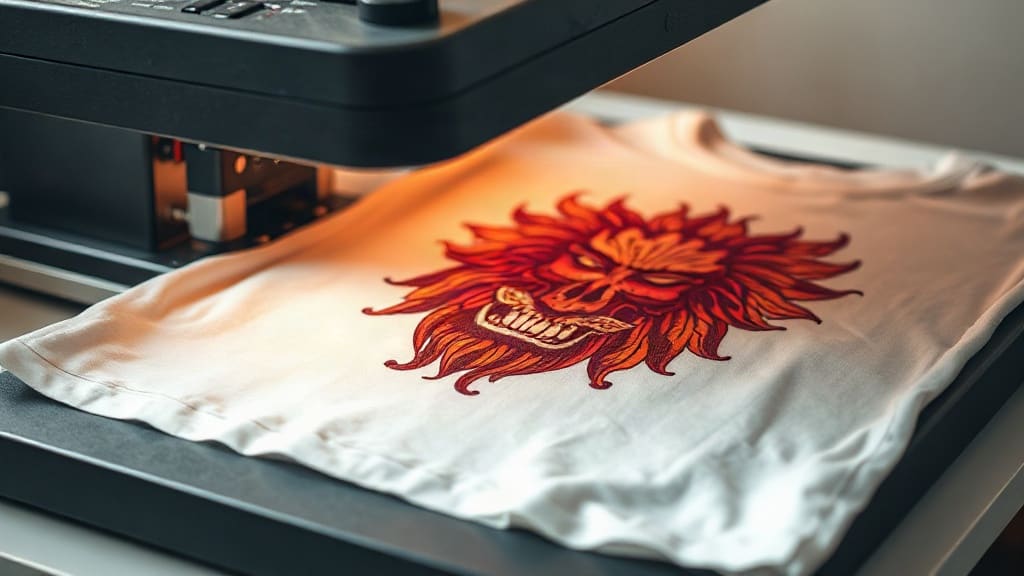
If you've been exploring custom apparel printing, you've likely encountered DTF printing. But what exactly is it, and why has it become a go-to method for creators and businesses alike? In this guide, we'll unpack the DTF printing process, its advantages, and how you can use it to produce vibrant, durable designs on various fabrics. Whether you're a hobbyist or a professional printer, understanding DTF can open new doors for your projects.
What is DTF Printing?
DTF stands for Direct-to-Film. It's a printing technique where your design is printed onto a special film, coated with adhesive powder, and then heat-pressed onto the fabric. Unlike DTG (Direct-to-Garment) or screen printing, DTF doesn't require pre-treatment of the garment or specialized inks for different materials. This versatility makes it a favorite for small businesses and DIY enthusiasts.
The magic of DTF lies in its ability to transfer intricate details and full-color images onto a wide range of fabrics, including cotton, polyester, blends, and even nylon. The result is a soft, stretchable print that withstands washing and wear.
How Does DTF Printing Work?
Let's break down the DTF printing process into clear steps so you can see exactly what's involved.
Step 1: Design Preparation
Start with a high-resolution image. DTF printers can handle complex gradients and fine lines, but a minimum of 300 DPI is recommended for crisp results. Mirror the image horizontally before printing, as the film will be flipped during transfer.
Step 2: Printing onto Film
The design is printed onto a PET film using specialized DTF inks. These inks are vibrant and durable, and the printer lays down a white ink layer underneath the color to ensure opacity on dark fabrics.
Step 3: Applying Adhesive Powder
While the ink is still wet, a thermoplastic adhesive powder is sprinkled over the print. The excess powder is shaken off, and the film is heated to melt the powder, creating a sticky layer that will bond with the fabric.
Step 4: Curing the Film
The film is then cured in an oven or with a heat press to activate the adhesive. Proper curing ensures the print will survive repeated washes without cracking or peeling.
Step 5: Heat Pressing onto Fabric
Finally, the film is placed onto the garment and heat-pressed at a specific temperature and pressure for a set time. Once cooled, the film is peeled away, leaving the design permanently adhered to the fabric.
Benefits of DTF Printing
Why choose DTF over other printing methods? Here are some compelling reasons:
- Versatility: Works on cotton, polyester, blends, and even treated nylon. No need for different inks or pre-treatment.
- Durability: Prints resist cracking, peeling, and fading, even after multiple washes.
- Detail: Captures fine details, gradients, and photographic images with ease.
- Cost-effective: Low setup costs make it ideal for small batches and custom orders.
- Speed: Once the film is prepared, pressing is quick, allowing for fast turnaround.
These advantages have made DTF a popular choice for custom t-shirts, hoodies, tote bags, and more.
DTF vs. Other Printing Methods
How does DTF stack up against DTG and screen printing? Let's compare.
DTF vs. DTG
DTG (Direct-to-Garment) prints directly onto the fabric, but it requires pre-treatment and works best on 100% cotton. DTF transfers can be used on a wider range of materials and don't need pre-treatment, making them more versatile. However, DTG may have a slight edge in breathability for large prints on cotton.
DTF vs. Screen Printing
Screen printing is cost-effective for large orders but requires separate screens for each color, making it impractical for complex designs or small batches. DTF excels in short runs and full-color images, with no per-color setup fees.
Applications of DTF Printing
DTF printing isn't just for t-shirts. Its adaptability makes it suitable for:
- Custom apparel: t-shirts, hoodies, jackets, and leggings.
- Accessories: tote bags, hats, and socks.
- Home decor: pillowcases, aprons, and tea towels.
- Promotional items: uniforms, event merchandise, and corporate giveaways.
The possibilities are endless, limited only by your imagination.
Tips for Successful DTF Printing
To get the best results with DTF, keep these tips in mind:
- Use quality materials: Invest in reputable DTF films, inks, and powders. Cheap supplies can lead to poor adhesion and faded prints.
- Control the environment: Humidity and temperature affect powder application. Aim for a stable, dry workspace.
- Test your settings: Every heat press is different. Experiment with temperature, pressure, and time to find what works for your setup.
- Store films properly: Keep unused film in a cool, dry place to prevent moisture damage.
- Practice peeling: Wait for the print to cool before peeling for a matte finish, or peel hot for a glossy look. Find your preferred method.
Frequently Asked Questions About DTF Printing
What fabrics can I use with DTF printing?
DTF works on a wide range of fabrics, including cotton, polyester, cotton-poly blends, nylon, and even leather. It's one of the most versatile printing methods available.
How long does a DTF print last?
With proper application and care, a DTF print can last as long as the garment itself. It withstands dozens of washes without significant fading or cracking. Always follow care instructions: wash inside out in cold water and avoid ironing directly on the print.
Do I need a special printer for DTF?
Yes, you need a dedicated DTF printer or a converted inkjet printer that uses DTF inks. These printers are designed to handle the white ink layering and the film feeding mechanism.
Is DTF printing cost-effective for small businesses?
Absolutely. DTF has low startup costs compared to screen printing, and you can print one-off designs without minimum orders. This makes it perfect for small businesses, crafters, and entrepreneurs testing new designs.
Can I use DTF on dark colors?
Yes, DTF excels on dark fabrics because the white ink layer provides a bright base for the colors. The print remains vibrant and opaque.
Conclusion
DTF printing is a game-changer for custom apparel. Its versatility, durability, and cost-effectiveness make it an excellent choice for both beginners and seasoned professionals. By understanding the process and following best practices, you can produce high-quality, long-lasting prints that delight customers. Ready to dive in? Explore DTF supplies and equipment at DTF Pro Print to get started on your next project.