
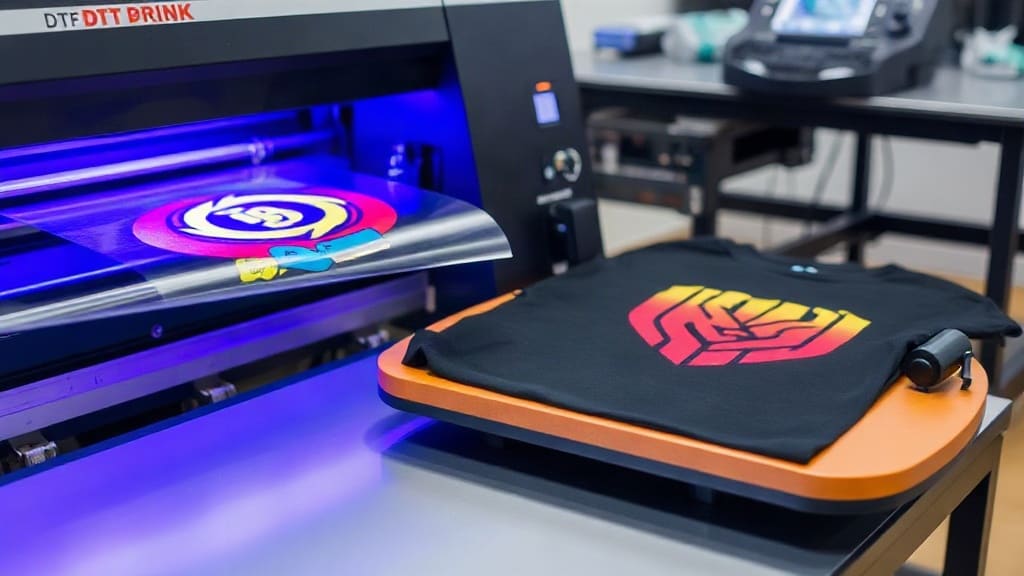
If you've been exploring custom apparel printing, you've likely encountered DTF printing. Short for Direct-to-Film, this method has quickly gained popularity for its versatility and vibrant results. Unlike traditional techniques that require specific fabrics or extensive setup, DTF printing offers a streamlined approach that works on a wide range of materials. In this guide, we'll dive deep into what DTF printing is, how it works, and why it might be the perfect fit for your next project.
What is DTF Printing?
DTF printing, or Direct-to-Film, is a digital printing process where your design is printed onto a special film, coated with adhesive powder, and then heat-pressed onto the fabric. This two-step transfer method allows for intricate details and vivid colors without the limitations of screen printing or the fabric restrictions of DTG (Direct-to-Garment).
The magic of DTF lies in its simplicity and adaptability. Whether you're working with cotton, polyester, blends, or even leather, DTF can adhere smoothly, making it a favorite among print shops and DIY enthusiasts alike.
How Does DTF Printing Work?
Understanding the DTF process can help you appreciate its capabilities. Here's a step-by-step breakdown:
- Design Preparation: Your artwork is prepared digitally, ensuring it's mirrored and sized appropriately.
- Printing: A specialized DTF printer lays down your design onto a PET film using CMYK and white inks. The white ink acts as a base, allowing the colors to pop on dark fabrics.
- Powder Application: While the ink is still wet, a thermoplastic adhesive powder is applied evenly over the printed film.
- Curing: The film passes through a heat source (like a heat press or oven) to melt the powder, creating a dry, tacky surface.
- Transfer: The film is placed onto the fabric and heat-pressed. After cooling, the film is peeled away, leaving a vibrant, durable print.
This process might sound involved, but with the right equipment, it becomes a smooth workflow that can handle small batches or large orders with equal ease.
Advantages of DTF Printing
Why choose DTF over other printing methods? Here are some compelling reasons:
- Fabric Versatility: Works on cotton, polyester, blends, and even treated leather.
- No Weeding or Cutting: Unlike vinyl, DTF doesn't require intricate cutting or weeding, saving time and labor.
- Vibrant Colors: The white ink base ensures bright, opaque colors on any fabric color.
- Durability: When applied correctly, DTF prints withstand repeated washing without cracking or fading.
- Cost-Effective for Short Runs: No setup fees or minimums, making it ideal for small businesses and personalized items.
DTF vs. Other Printing Methods
To truly appreciate DTF, it helps to compare it with alternatives like screen printing, DTG, and vinyl.
DTF vs. Screen Printing
Screen printing excels for large orders with simple designs, offering low cost per unit. However, it requires separate screens for each color, making complex designs expensive and time-consuming. DTF shines for detailed, multi-color designs without setup costs, and it handles short runs profitably.
DTF vs. DTG
DTG (Direct-to-Garment) prints directly onto fabric, which is great for 100% cotton. But it struggles with polyester and dark colors. DTF overcomes these limitations, adhering well to various fabrics and delivering consistent results on darks.
DTF vs. Vinyl
Heat transfer vinyl (HTV) is popular for simple designs but requires weeding, which is tedious for intricate artwork. DTF eliminates weeding entirely and allows for full-color, photographic-quality prints.
Applications of DTF Printing
From custom t-shirts to promotional items, DTF printing opens up a world of possibilities. Here are some common applications:
- Apparel: T-shirts, hoodies, jeans, jackets, and more.
- Accessories: Tote bags, hats, and socks.
- Home Decor: Pillows, blankets, and curtains.
- Promotional Products: Branded uniforms, event merchandise.
Because DTF works on so many surfaces, it's a go-to for businesses looking to offer diverse custom products.
Getting Started with DTF Printing
Ready to try DTF? Here's what you'll need:
- DTF Printer: A dedicated printer that uses DTF inks (CMYK + white).
- DTF Film: PET film designed for DTF printing.
- Adhesive Powder: Thermoplastic powder for bonding.
- Heat Press: For curing and transferring.
- Design Software: To prepare your artwork.
Start with a reliable supplier like DTF Pro Print for quality materials and equipment. Practice on scrap fabric to perfect your technique before tackling client orders.
Tips for Successful DTF Printing
To ensure great results, keep these tips in mind:
- Maintain Consistent Pressure: Uneven pressure leads to poor adhesion.
- Control Temperature and Time: Follow your powder and film specifications closely.
- Pre-Press Fabric: Remove moisture and wrinkles for a smooth application.
- Test Wash: Always test a sample for washability before full production.
- Store Film Properly: Keep film in a cool, dry place to prevent curling.
Frequently Asked Questions
How long does DTF printing last?
When applied correctly, DTF prints can last as long as the garment itself. Proper curing and adherence to heat press guidelines ensure durability through many washes.
Can I use DTF on 100% polyester?
Absolutely. DTF is renowned for its ability to adhere to polyester and other synthetic fabrics, unlike DTG which requires cotton.
Do I need a special printer for DTF?
Yes, you need a printer that supports DTF inks, typically a modified inkjet printer with a white ink channel. Dedicated DTF printers are available for optimal results.
Is DTF printing cost-effective for small orders?
Yes, DTF has no minimum order quantity and no setup fees, making it very cost-effective for short runs and personalized items.
What fabrics work best with DTF?
DTF works well on cotton, polyester, blends, and even leather. It's one of the most versatile printing methods available.