
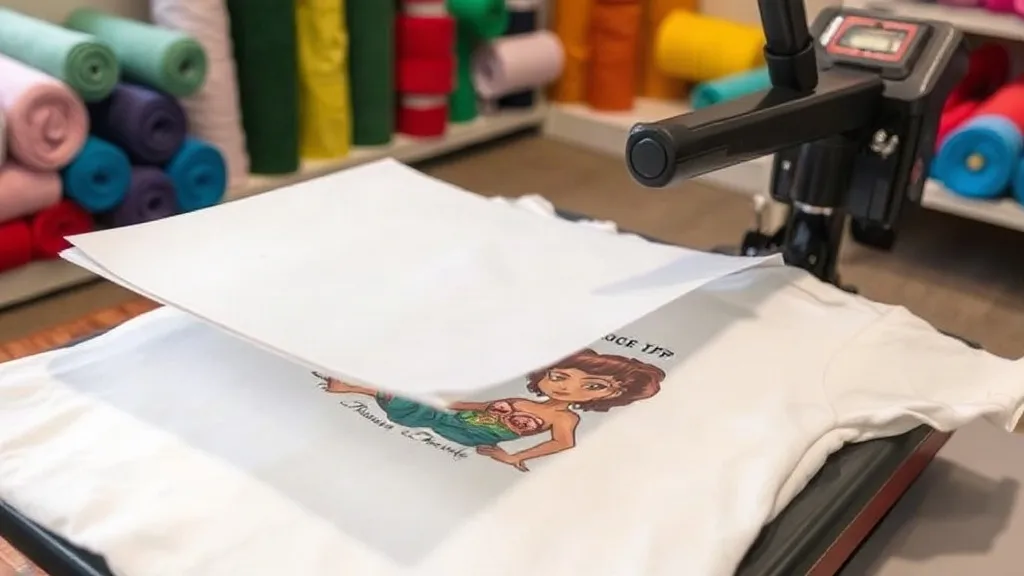
If you're in the custom apparel business, you've likely heard about dtf printing. This innovative technology is transforming how we decorate garments, offering vibrant colors and exceptional durability. Whether you're a seasoned pro or just starting, understanding dtf transfers can elevate your game. In this guide, I'll share my hands-on experience and practical tips to help you achieve flawless results.
What Are DTF Transfers?
DTF stands for Direct-to-Film. It's a printing method where your design is printed onto a special PET film using water-based inks, then coated with a hot-melt adhesive powder. The film is then cured and can be transferred onto fabrics using a heat press. Unlike DTG or screen printing, DTF doesn't require pre-treatment and works on a wide range of materials, including cotton, polyester, blends, and even leather.
DTF transfers have gained popularity because they produce soft, stretchable prints that hold up wash after wash. The process is also more cost-effective for small batches and complex designs compared to traditional methods.
Why Choose DTF Transfers?
There are several compelling reasons to consider DTF for your next project. Let me break down the key benefits I've observed in my own shop.
Vibrant Colors and Fine Details
DTF printers use CMYK plus white ink, allowing for full-color designs with gradients, shadows, and fine lines. The white ink base ensures that colors pop even on dark garments. I've printed intricate logos with tiny text that remained crisp after transfer.
Versatility Across Fabrics
One of the biggest advantages is that DTF works on almost any fabric. You can apply the same transfer to a cotton t-shirt, a polyester jersey, or a canvas tote bag. This versatility means you can offer a wider range of products without investing in multiple printing setups.
Durability and Washability
When applied correctly, DTF transfers can withstand 50+ washes without cracking or fading. I've tested this myself, and the prints still looked great after months of regular wear. The key is proper application and caring for the garment as recommended.
Cost-Effective for Small Runs
Unlike screen printing, which requires separate screens for each color, DTF has no setup fees. This makes it ideal for small orders, personalized items, or samples. You can print one-off designs without breaking the bank.
How to Apply DTF Transfers: Step-by-Step
Applying DTF transfers is straightforward, but attention to detail is crucial. Here's my tried-and-true method for perfect results every time.
What You'll Need
- DTF transfer film with your design
- Heat press (or iron with no steam)
- Heat-resistant tape (optional)
- Parchment paper or Teflon sheet
- Garment
Step 1: Prepare Your Workspace
Set your heat press to the recommended temperature, usually around 325°F (160°C). Pre-press the garment for 5-10 seconds to remove moisture and wrinkles. This step is often overlooked but makes a big difference in adhesion.
Step 2: Position the Transfer
Place the DTF transfer on the garment with the printed side facing up. If you're using a heat press, you can secure it with heat-resistant tape to prevent shifting. For precise placement, measure from the collar and center the design.
Step 3: Press
Cover the transfer with parchment paper or a Teflon sheet. Press with medium pressure for 15-20 seconds. If you're using an iron, set it to the highest temperature without steam and press firmly for 30-40 seconds, moving the iron in circular motions.
Step 4: Peel
DTF transfers can be peeled either hot or cold, depending on the film manufacturer. I recommend checking the instructions. Most films today are cold peel, meaning you wait until the transfer cools down before peeling. Peel slowly at a low angle to avoid lifting the print.
Step 5: Post-Press (Optional)
For extra durability, cover the transferred design with parchment paper and press again for 5-10 seconds. This helps the adhesive fully bond with the fabric.
Common Mistakes to Avoid
Even with experience, it's easy to slip up. Here are pitfalls I've encountered and how to steer clear of them.
Insufficient Pressure
If the pressure is too light, the transfer won't adhere properly, leading to premature peeling. Make sure your heat press is calibrated and apply firm, even pressure.
Wrong Temperature
Too hot and you'll scorch the fabric or melt the film; too cold and the adhesive won't activate. Always follow the film's recommended settings and test on a scrap piece first.
Peeling Too Soon or Too Late
Peeling at the wrong temperature can cause the design to crack or leave residue. Know whether your film is hot peel or cold peel and act accordingly.
Not Pre-Pressing
Skipping the pre-press can trap moisture, causing bubbles or poor adhesion. Always pre-press for a few seconds.
DTF vs. Other Printing Methods
How does DTF stack up against DTG, screen printing, and vinyl? Let's compare.
DTF vs. DTG
DTG (Direct-to-Garment) is great for cotton, but it requires pre-treatment and can be less vibrant on dark colors. DTF offers more consistent results across fabrics and doesn't need pre-treatment.
DTF vs. Screen Printing
Screen printing is cost-effective for large orders but has setup costs and limited color gradients. DTF excels in small batches and complex designs with no setup fees.
DTF vs. Vinyl
Vinyl is durable but limited to simple, single-color designs. DTF allows full-color, photographic-quality prints that are also durable.
Tips for Long-Lasting DTF Prints
To ensure your DTF transfers stand the test of time, follow these care instructions:
- Wait 24 hours before washing the garment.
- Turn the garment inside out before washing.
- Use cold water and mild detergent.
- Avoid bleach and fabric softeners.
- Tumble dry on low or hang dry.
- Do not iron directly on the print.
Frequently Asked Questions
Can I use DTF transfers on polyester?
Yes, DTF works well on polyester and polyester blends. However, polyester requires lower pressing temperatures to avoid dye migration. Use a lower temperature (around 280°F) and test first.
How long do DTF transfers last?
With proper application and care, DTF transfers can last as long as the garment itself, often 50+ washes. The key is following the correct pressing and washing guidelines.
Do I need a special printer for DTF?
Yes, DTF requires a dedicated DTF printer that uses pigment inks and prints onto PET film. You can also buy pre-printed transfers from suppliers if you don't want to invest in a printer.
Can I stretch DTF prints?
DTF prints have some stretchability, making them suitable for stretchy fabrics like spandex blends. However, excessive stretching may cause cracking over time.
What's the difference between hot peel and cold peel DTF film?
Hot peel film allows you to remove the carrier sheet immediately after pressing while the transfer is still hot. Cold peel requires you to wait until the transfer cools down. Each has its own advantages, so follow the manufacturer's instructions.
DTF transfers have revolutionized custom apparel printing, offering unmatched versatility and quality. Whether you're a hobbyist or a business owner, mastering DTF can open up new possibilities. I hope this guide helps you get started on the right foot. If you're looking for high-quality DTF supplies, check out dtf transfers for reliable products and excellent service.