
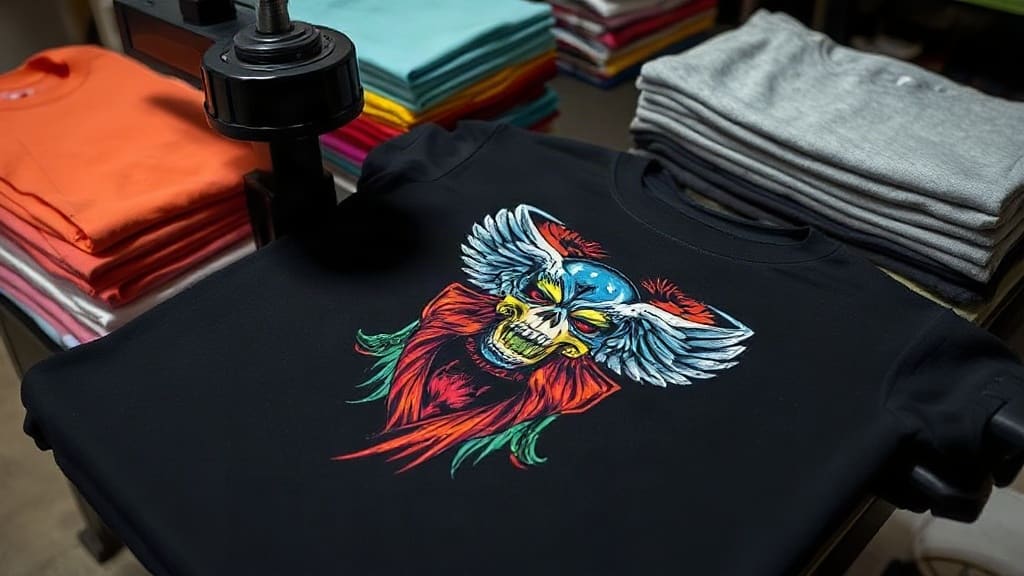
If you're in the custom apparel business, you've likely heard the buzz around DTF transfers. This innovative printing method is changing how creators and brands approach garment decoration. Unlike traditional techniques that require multiple steps and specialized equipment, DTF transfers streamline the process, making it accessible for small shops and large operations alike. In this guide, we'll dive deep into what DTF transfers are, why they're gaining popularity, and how pairing them with the right blanks, such as those from Shaka Wear and Smart Blanks, can elevate your final product. Whether you're a seasoned pro or just starting out, understanding the nuances of DTF transfers will help you deliver outstanding results that keep customers coming back.
What Are DTF Transfers and How Do They Work?
DTF stands for Direct to Film. It's a printing technology where your design is printed onto a special film, coated with a powder adhesive, and then heat-pressed onto the fabric. The process begins with a digital printer that uses CMYK plus white ink to create vibrant, detailed images. The white ink layer is crucial because it allows the design to show up on dark garments without the need for a separate underbase. After printing, the film is dusted with a thermoplastic powder, which melts during the heat press, bonding the ink to the fabric. This method works on a wide range of materials, including cotton, polyester, and blends, making it incredibly versatile.
The Step-by-Step DTF Transfer Process
- Design Preparation: Create your artwork in a graphics program, ensuring it's mirrored if necessary. DTF printers typically handle the mirroring automatically, but it's good to double-check.
- Printing: The design is printed onto a PET film using specialized DTF inks. The printer lays down color inks followed by a white ink layer.
- Powder Application: While the ink is still wet, the film passes through a powder shaker that applies hot melt adhesive powder evenly.
- Curing: The film goes through a curing oven or heat source to melt the powder, creating a dry, tacky surface.
- Heat Pressing: The transfer is placed on the garment and pressed at around 300-320°F for 10-15 seconds. After pressing, the film is peeled off (hot or cold peel, depending on the film type).
Why DTF Transfers Are a Game-Changer for Custom Apparel
DTF transfers offer several advantages over other decoration methods like screen printing or vinyl. For one, they don't require color separation or minimum order quantities, making them perfect for small batches and personalized items. The prints are also incredibly durable, withstanding multiple washes without fading or cracking. Additionally, DTF transfers can reproduce fine details, gradients, and photographic images with ease, something that can be challenging with other techniques. Because the process uses a white ink base, you can print on dark colors without a separate underbase, saving time and money.
Comparing DTF to Other Printing Methods
- Screen Printing: Better for large orders of simple designs, but requires setup costs and is not cost-effective for small runs. DTF excels in small batches and complex art.
- Vinyl (HTV): Good for simple text and shapes, but limited in color and detail. DTF can produce full-color images with gradients.
- Dye Sublimation: Works only on polyester and requires light-colored garments. DTF works on almost any fabric and color.
Choosing the Right Blanks for DTF Transfers
The quality of your blank garment significantly impacts the final look and feel of your DTF transfer. Not all blanks are created equal; some fabrics may not hold the transfer as well, leading to premature peeling or cracking. That's why selecting reputable brands is essential. Two names that consistently stand out in the industry are Shaka Wear and Smart Blanks. Both offer high-quality garments that pair exceptionally well with DTF transfers.
Why Shaka Wear Is a Top Choice
Shaka Wear is known for its heavyweight cotton tees and streetwear-inspired fits. Their garments are made from 100% cotton or cotton-poly blends, providing a smooth surface that DTF transfers adhere to beautifully. The tight knit of their fabrics prevents the ink from sinking in too much, resulting in crisp, vibrant prints. Plus, Shaka Wear's reputation for durability means your finished product will withstand repeated wear and washing. Many printers prefer Shaka Wear for its consistent sizing and color range, from classic black and white to trendy hues like olive and mustard.
The Appeal of Smart Blanks
Smart Blanks focuses on providing affordable, high-quality blanks that are perfect for both entry-level and experienced decorators. Their tees are soft, yet durable, and come in a variety of styles, including crew necks, V-necks, and tank tops. What sets Smart Blanks apart is their commitment to consistency; each batch is carefully manufactured to ensure uniform thickness and color. For DTF transfers, this means you can expect reliable results every time. Smart Blanks also offers eco-friendly options, such as organic cotton and recycled polyester, appealing to environmentally conscious brands.
Best Practices for Applying DTF Transfers
To get the most out of your DTF transfers, follow these best practices:
- Pre-press the garment: This removes moisture and wrinkles, ensuring a smooth surface for the transfer.
- Use the right pressure: Medium to high pressure is typically recommended. Too little pressure can cause poor adhesion; too much can distort the design.
- Temperature and time: Follow the transfer supplier's instructions. Generally, 300-320°F for 10-15 seconds works well, but some films require different settings.
- Peel correctly: Some films are hot peel, others cold peel. Peeling at the wrong temperature can ruin the transfer.
- Post-press: After peeling, a quick second press with a cover sheet can improve durability and sheen.
Common Mistakes to Avoid
Even experienced printers can make mistakes. Avoid these common pitfalls:
- Not pre-treating the garment: Skipping pre-pressing can lead to moisture trapped between the transfer and fabric, causing peeling.
- Using too much or too little powder: Inconsistent powder application leads to weak adhesion or a rough feel.
- Pressing on uneven surfaces: Seams, zippers, and buttons can interfere with even pressure. Use a pressing pillow for tricky areas.
- Ignoring wash care instructions: Always inform customers to wait 24 hours before washing and to turn garments inside out.
Frequently Asked Questions About DTF Transfers
How durable are DTF transfers compared to screen printing?
DTF transfers are highly durable when applied correctly. They can withstand 50+ washes without significant fading or cracking. However, screen printing may last slightly longer on heavy-use items, but DTF offers superior detail and versatility.
Can I use DTF transfers on polyester garments?
Yes, DTF transfers work on polyester, cotton, and blends. However, on 100% polyester, you may need to lower the pressing temperature to avoid dye migration. Using a low-temperature film or a barrier sheet can help.
Do I need a special printer for DTF transfers?
You need a DTF printer that uses DTF inks and a powder shaker. Many converted Epson printers are popular for DTF. Alternatively, you can outsource your transfers to a service like DTF Pro Print, which provides high-quality transfers without the equipment investment.
What is the best way to store DTF transfers?
Store unused transfers in a cool, dry place, away from direct sunlight. Keep them in a sealed bag or container to prevent dust and moisture from affecting the adhesive powder. Properly stored transfers can last up to 6 months.
How do I choose the right blank for my DTF transfer project?
Consider the fabric content, weight, and intended use. For a soft, retail-ready feel, choose combed ring-spun cotton like Shaka Wear or Smart Blanks. For athletic wear, opt for polyester blends. Always test a sample before full production.