
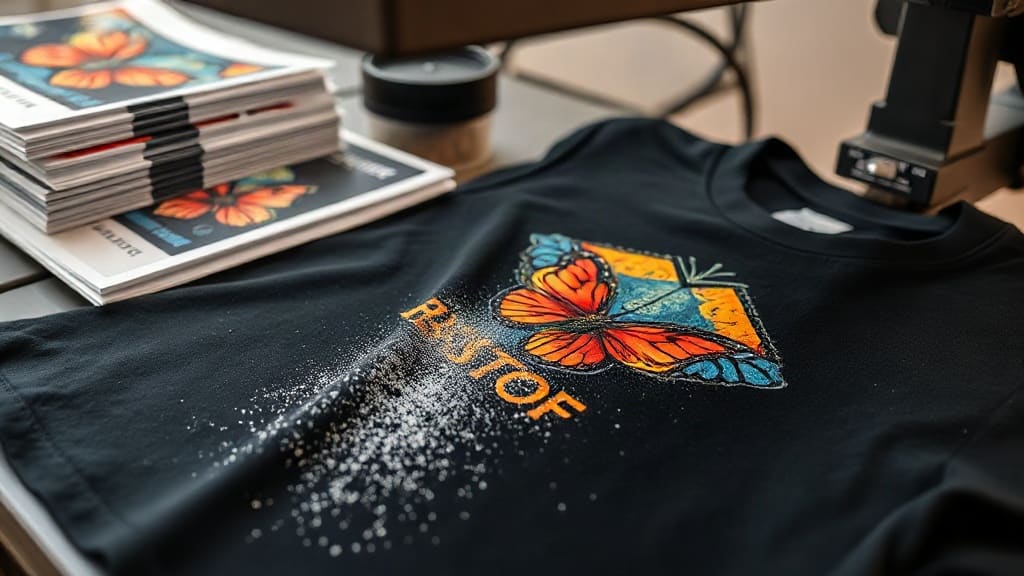
When you first hear about DTF transfers, you might wonder how they differ from the vinyl or screen-printed shirts you've seen at local shops. The truth is, DTF (Direct to Film) transfers have quietly revolutionized the custom apparel industry, offering a level of detail and color vibrancy that was once reserved for high-end commercial printers. Whether you're a small business owner looking to expand your product line or a hobbyist tired of weeding tiny vinyl letters, understanding DTF transfers can open up a world of creative possibilities.
I remember my first encounter with DTF transfers: a client asked for a full-color logo on a dark polyester jersey. Traditional heat transfer vinyl would have been a nightmare to layer, and screen printing required minimums I couldn't meet. That's when I discovered DTF. The process seemed almost magical, but like any craft, it comes with its own set of nuances. In this guide, I'll walk you through everything you need to know to get started, from choosing the right materials to troubleshooting common issues.
What Are DTF Transfers?
At its core, a DTF transfer is a printed film that you apply to fabric using a heat press. The design is printed onto a special PET film using a DTF printer, which uses water-based inks. A powdered hot-melt adhesive is applied to the wet ink, then the film is cured. When you're ready to apply, you place the film on your garment, press it, and peel away the film, leaving the design bonded to the fabric.
The magic lies in the adhesive: it's engineered to bond with the fabric fibers when heated, creating a durable, stretchable print. Unlike DTG (Direct to Garment), which prints directly onto the shirt, DTF transfers allow you to print on a wide range of fabrics, including cotton, polyester, blends, and even nylon. This versatility is a game-changer for anyone who works with diverse materials.
How DTF Transfers Differ from Other Methods
Let's compare DTF to three common decoration methods:
- Screen Printing: Requires separate screens for each color, making it cost-effective only for large orders. DTF has no color limits and no minimums.
- Heat Transfer Vinyl (HTV): Great for simple designs, but layering multiple colors is time-consuming and can result in a thick, stiff feel. DTF produces a thin, soft print with full-color detail.
- Direct to Garment (DTG): Best for 100% cotton, but colors can appear muted on dark shirts without a pretreatment. DTF works on dark fabrics without pretreatment and produces vibrant colors.
Understanding these differences helps you choose the right method for each project. DTF shines when you need photographic detail, gradients, or small text on dark or synthetic fabrics.
The DTF Printing Process Step by Step
If you're considering bringing DTF in-house, here's what you'll need and how the process works.
Materials and Equipment
- DTF Printer: Typically a modified inkjet printer with DTF inks (CMYK plus white).
- DTF Film: PET film with a release coating. Available in cold-peel or hot-peel varieties.
- Adhesive Powder: TPU-based powder that melts and bonds.
- Curing Oven or Heat Press: To melt the powder.
- Heat Press: For application.
- Design Software: Any vector or raster program (e.g., Adobe Illustrator, Photoshop).
Step 1: Design Preparation
Start with a high-resolution image (300 DPI at print size). Mirror the design horizontally because you'll print it in reverse. If your design has white areas, the DTF printer will lay down white ink as a base, so you don't need to worry about the garment color showing through.
Step 2: Printing
Load the DTF film into the printer. The printer lays down CMYK inks, followed by a white ink layer. Some printers allow you to adjust white ink density, which affects opacity on dark fabrics. Print in high-quality mode for best results.
Step 3: Powdering
While the ink is still wet, sprinkle the adhesive powder evenly over the printed area. Shake off excess powder; you want a thin, uniform layer. Too much powder can lead to a rough feel; too little can cause poor adhesion.
Step 4: Curing
Place the film in a curing oven or under a heat press (without pressure) at around 320°F (160°C) for 2-3 minutes, or until the powder melts and becomes glossy. This step is critical: undercuring leads to wash-off, overcuring can make the film brittle.
Step 5: Application
Set your heat press to 325°F (163°C) with medium pressure. Pre-press the garment for a few seconds to remove moisture. Place the transfer on the garment, cover with a Teflon sheet or parchment paper, and press for 15-20 seconds. Peel the film while hot (hot peel) or let it cool (cold peel), depending on the film type. Follow the film manufacturer's instructions.
Choosing the Right DTF Transfer for Your Project
Not all DTF transfers are created equal. Here's what to consider:
- Film Type: Hot-peel films allow faster production, while cold-peel films can give a smoother finish. Some films are designed for stretchy fabrics.
- Ink Quality: Cheaper inks may fade or clog printheads. Invest in reputable brands.
- Adhesive Powder: Finer powder (80-200 microns) gives a softer hand. Coarser powder is more durable but feels thicker.
- Garment Compatibility: DTF works on cotton, polyester, blends, and even leather. However, highly textured fabrics (e.g., rib knit) may require extra pressure.
If you're outsourcing, look for a supplier that provides detailed instructions and consistent quality. At DTF Pro Print, we've tested countless combinations to ensure our transfers meet the demands of professional decorators.
Common DTF Problems and How to Fix Them
Even with experience, issues can arise. Here are solutions to frequent headaches:
Transfer Peels Off After Washing
This usually means insufficient pressure, incorrect temperature, or undercuring of the powder. Increase pressure to medium-firm, verify temperature with an infrared gun, and ensure the powder is fully melted (glossy, not matte). Also, wait 24 hours before washing.
Design Cracks or Feels Stiff
Too much powder or overcuring can cause cracking. Use less powder and reduce curing time. Also, stretch the garment slightly before pressing to allow the transfer to flex.
Colors Look Dull on Dark Shirts
Increase white ink density in your printer settings. If outsourcing, specify that you need a high-opacity white base. Some films also have a matte finish that can dull colors; try a glossy film.
Film Won't Release from Design
This can happen if the film is overheated or if you're using the wrong peel method. Try cooling completely before peeling (cold peel) or peeling immediately (hot peel). Check your film's specifications.
DTF Transfers: Tips for Long-Lasting Results
To ensure your prints survive dozens of washes, follow these best practices:
- Wash inside out in cold water.
- Avoid fabric softener and bleach.
- Tumble dry low or hang dry.
- Wait 24 hours after application before first wash.
- Iron inside out, never directly on the print.
These simple habits can extend the life of your DTF transfers significantly.
Frequently Asked Questions About DTF Transfers
Can I use DTF transfers on 100% polyester?
Yes, DTF transfers adhere well to polyester, including athletic wear and jerseys. The low application temperature (around 325°F) prevents scorching, and the print remains stretchable.
How durable are DTF transfers compared to screen printing?
When applied correctly, DTF transfers can last as long as screen prints, often 50+ washes. They are also more stretch-resistant, making them ideal for performance fabrics.
Do I need a special printer for DTF?
You can convert an Epson printer with DTF inks and a RIP software, but dedicated DTF printers are recommended for consistent results. They handle white ink circulation and powder application more efficiently.
What's the minimum order quantity for DTF transfers?
One of the biggest advantages of DTF is that there's no minimum. You can order a single transfer or thousands, making it perfect for custom pieces or small businesses.
How should I store unused DTF transfers?
Keep them in a cool, dry place, away from direct sunlight. Place them in a sealed bag to prevent dust and moisture. Properly stored transfers can last for months.
DTF transfers have democratized custom apparel, allowing anyone to produce vibrant, durable prints on almost any fabric. With the right knowledge and a bit of practice, you'll be creating professional-grade products in no time. If you're ready to dive in, explore our range of DTF supplies and transfers at DTF Pro Print.