
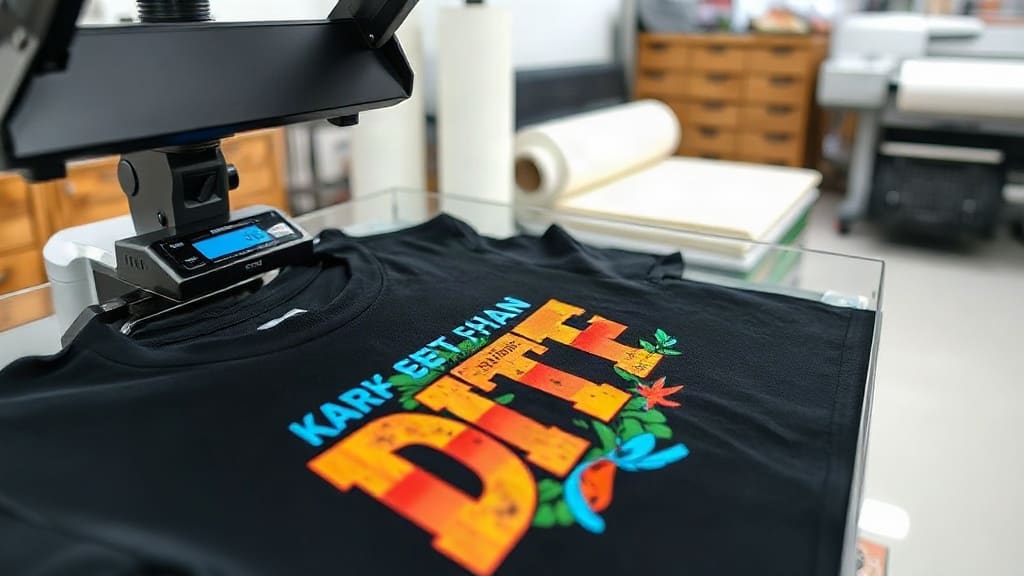
If you've been in the custom apparel game for any length of time, you've likely heard the buzz around DTF Transfers. This technology has rapidly become a favorite among decorators, from small home-based businesses to large-scale production shops. But what exactly makes DTF transfers so special, and why are they taking the industry by storm? In this guide, we'll dive deep into the world of DTF transfers, covering everything from the basic process to advanced tips that will help you achieve professional-grade results every time.
What Are DTF Transfers?
DTF stands for Direct to Film. Unlike DTG (Direct to Garment) printing, which prints directly onto the fabric, DTF transfers involve printing your design onto a special film, coating it with a powder adhesive, and then heat-pressing it onto the garment. This two-step process offers incredible versatility because it works on a wide range of fabrics, including cotton, polyester, blends, and even nylon. The result is a vibrant, durable print that can stretch and move with the fabric without cracking or fading.
The DTF Printing Process Explained
The DTF process begins with a digital printer equipped with special DTF inks. These inks are printed onto a PET film in a mirror image. After printing, a fine layer of hot-melt adhesive powder is applied to the wet ink. The film then goes through a curing stage, where the powder melts and bonds with the ink. Once cured, the transfer is ready to be applied to a garment using a heat press. The adhesive powder ensures a strong bond between the ink and the fabric, resulting in a print that withstands repeated washing and wearing.
Why Choose DTF Transfers Over Other Methods?
There are several compelling reasons why DTF transfers have become a go-to solution for custom apparel decorators. Let's explore the key benefits.
1. Unmatched Versatility
One of the biggest advantages of DTF transfers is their ability to adhere to almost any fabric type. Whether you're working with 100% cotton t-shirts, polyester performance wear, or even canvas bags, DTF transfers deliver excellent results. This eliminates the need for multiple printing methods, streamlining your production process.
2. Vibrant Colors and Fine Details
DTF transfers produce incredibly vibrant colors and sharp details. The special inks used in DTF printing are formulated to be opaque and bright, even on dark garments. This means you can achieve complex, multi-color designs without the need for separate screens or color separations. Fine lines, small text, and gradients all come out looking crisp and professional.
3. Durability and Washability
When applied correctly, DTF transfers are extremely durable. They resist cracking, peeling, and fading, even after many wash cycles. The adhesive powder creates a strong bond that flexes with the fabric, so the print won't crack when the garment stretches. This makes DTF transfers ideal for items that will see heavy use, such as sports jerseys, work uniforms, and promotional apparel.
4. Cost-Effective for Short Runs
Unlike screen printing, which requires setup costs for each color and screen, DTF transfers have no minimum order quantity. You can print a single transfer or hundreds, making it perfect for small businesses, personalized gifts, and sample runs. The cost per transfer is also relatively low, especially when you consider the lack of setup fees and the ability to gang multiple designs on one film.
How to Apply DTF Transfers for Best Results
Applying DTF transfers might seem straightforward, but following the right steps is crucial to achieving a professional, long-lasting finish. Here's a step-by-step guide to help you get it right.
Step 1: Prepare Your Heat Press
Preheat your heat press to the recommended temperature, typically around 325°F to 350°F (160°C to 175°C). Ensure the platen is clean and free of any residue. Set the pressure to medium to high, as consistent pressure is key for proper adhesion.
Step 2: Position the Transfer
Place your garment on the heat press platen, smoothing out any wrinkles. Position the DTF transfer with the printed side facing up (the adhesive side down). If you're using a transfer with a carrier film, make sure the film is on top.
Step 3: Press and Peel
Cover the transfer with a protective sheet or parchment paper to prevent sticking. Press for 10-15 seconds. After pressing, allow the transfer to cool completely before peeling off the film. This cool-peel method ensures the adhesive sets properly and prevents the design from lifting.
Step 4: Post-Press for Durability
For added durability, especially on stretchy fabrics, you can do a second press for 5-10 seconds after peeling the film. This helps the adhesive fully bond with the fabric and improves wash resistance.
Common Mistakes to Avoid with DTF Transfers
Even experienced decorators can run into issues if they overlook certain details. Here are some common pitfalls and how to avoid them.
- Insufficient Pressure: Not enough pressure can result in poor adhesion and premature peeling. Always use medium to high pressure and ensure your press is calibrated.
- Wrong Temperature: Too low, and the adhesive won't melt properly; too high, and you risk scorching the fabric or the transfer. Use a temperature gun to verify your press's actual temperature.
- Peeling Too Soon: Peeling the film while it's still hot can cause the design to stretch or lift. Always wait for it to cool completely.
- Not Pre-Pressing the Garment: Pre-pressing removes moisture and wrinkles, ensuring a smooth surface for the transfer. Skipping this step can lead to uneven adhesion.
DTF Transfers vs. Other Decoration Methods
To truly appreciate DTF transfers, it helps to compare them with other popular methods like screen printing, DTG, and vinyl. Each has its strengths, but DTF often comes out on top for versatility and cost-effectiveness on short runs.
DTF vs. Screen Printing
Screen printing is excellent for large orders of simple designs, but it requires setup costs and is limited to certain fabrics. DTF transfers have no setup fees, handle complex designs easily, and work on almost any fabric. For small to medium runs, DTF is often more economical.
DTF vs. DTG
DTG printing is great for 100% cotton garments and can produce soft-hand prints. However, it struggles with polyester and dark colors, often requiring a pretreatment. DTF transfers excel on both cotton and polyester, and they produce vibrant colors on dark fabrics without pretreatment.
DTF vs. Vinyl
Heat transfer vinyl (HTV) is popular for simple one-color designs and names. However, layering multiple colors can be time-consuming and results in a thick, heavy feel. DTF transfers can produce full-color designs in a single press, with a thinner, more flexible finish.
Expert Tips for Scaling Your DTF Production
If you're looking to grow your DTF business, efficiency is key. Here are some tips to help you scale up without sacrificing quality.
- Invest in a Reliable DTF Printer: A quality printer with a bulk ink system will save you time and money in the long run. Look for models that offer high resolution and consistent output.
- Use a Powder Shaker and Curing Oven: Automated powder application and curing systems can significantly speed up production and ensure consistent results.
- Organize Your Transfers: Keep your transfers organized by design or order to avoid mix-ups. Use a filing system or bins with labels.
- Offer Customization: DTF transfers make it easy to offer personalized products, such as names and numbers on jerseys. Promote this service to attract more customers.
Frequently Asked Questions About DTF Transfers
How long do DTF transfers last?
When applied correctly and cared for properly, DTF transfers can last as long as the garment itself. They withstand dozens of washes without fading, cracking, or peeling. To maximize longevity, wash the garment inside out in cold water and avoid using bleach or fabric softeners.
Can I use DTF transfers on dark colors?
Absolutely! DTF transfers are renowned for their ability to produce vibrant, opaque prints on dark fabrics. The white ink layer in DTF printing provides a base that makes colors pop, even on black or navy garments.
Do I need a special printer for DTF transfers?
Yes, DTF printing requires a printer that uses DTF inks and is designed to print on PET film. You can convert some inkjet printers, but it's best to use a dedicated DTF printer for optimal results. These printers are available in various sizes, from desktop models to large industrial machines.
What is the best temperature for pressing DTF transfers?
The ideal temperature range is typically 325°F to 350°F (160°C to 175°C). However, the exact temperature can vary depending on the fabric and the specific transfer. Always test a sample first and follow the instructions provided by your transfer supplier.
Can DTF transfers be stretched?
DTF transfers have some stretchability, but they are not as elastic as the fabric itself. For highly stretchy fabrics like spandex or elastane, it's best to use a transfer with a stretchable adhesive or apply a smaller design to minimize stress on the print. Overstretching can cause the print to crack over time.
DTF transfers have truly transformed the custom apparel industry, offering a versatile, durable, and cost-effective solution for decorators of all sizes. By understanding the process, avoiding common mistakes, and following expert tips, you can achieve professional results that keep your customers coming back. Whether you're just starting out or looking to scale your business, DTF transfers are a valuable addition to your toolkit.