
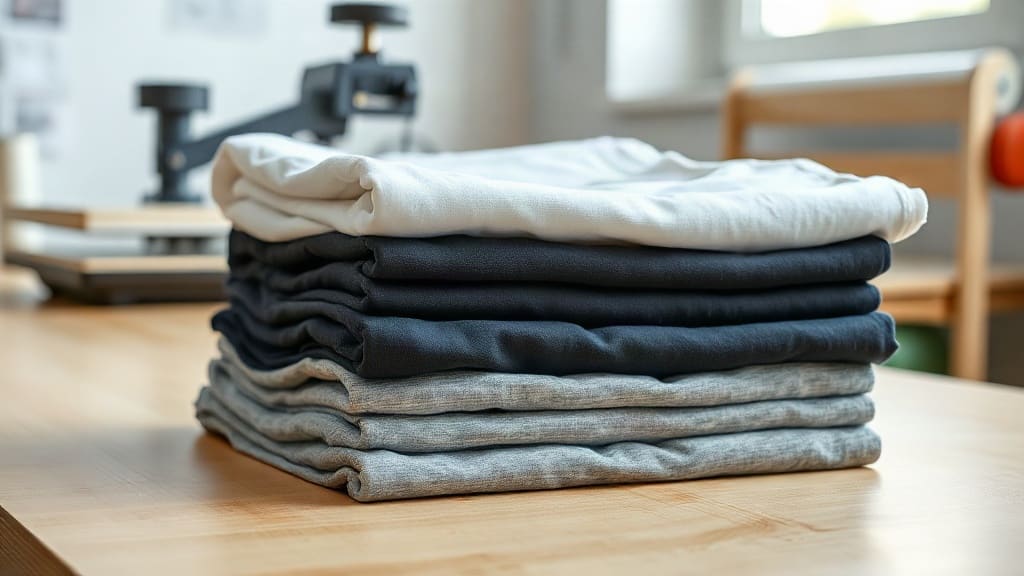
When you're running a DTF printing business, the blank you choose can make or break your final product. You need a garment that takes the transfer smoothly, feels great to the touch, and holds up wash after wash. That's why so many printers keep coming back to Shaka Wear. This brand has built a solid reputation in the custom apparel world, and for good reason. In this article, we'll break down what makes Shaka Wear a smart pick for DTF printing, how to get the best results with their blanks, and answer some common questions along the way.
Why Shaka Wear Blanks Stand Out for DTF Printing
DTF printing demands a blank that can handle heat and pressure without compromising comfort or appearance. Shaka Wear garments are known for their tight knit and smooth surface, which allows the transfer to adhere evenly. Unlike some budget blanks that pill or warp under the heat press, Shaka Wear tees maintain their shape and softness. Their fabric blend, typically 100% cotton or a cotton-poly mix depending on the style, provides a reliable canvas for vibrant, long-lasting prints.
Another key factor is the consistency across batches. When you're fulfilling large orders, you can't afford variations in color, size, or fabric weight. Shaka Wear is manufactured with strict quality control, so the shirt you print today will match the one you print six months from now. That reliability is huge for building trust with your customers.
Fabric Quality That Handles Heat and Wash
Not all blanks are created equal. Some fabrics have a tendency to scorch or yellow under high heat, which is a death sentence for DTF transfers. Shaka Wear uses dyes and finishes that resist discoloration, so you can press with confidence. Their cotton is combed and ring-spun, resulting in a smoother surface that helps the adhesive powder bond better. Plus, the fabric's weight, often around 5.3 to 6.0 oz, gives it a premium feel that customers notice immediately.
After printing, the wash test is where many blanks fail. Cheap tees might crack, fade, or peel after a few cycles. Shaka Wear holds up remarkably well. The tight weave prevents the transfer from stretching excessively, and the colorfast dyes mean the shirt itself won't fade, keeping the print looking sharp. This durability translates to fewer complaints and more repeat business.
Fit and Sizing Consistency You Can Rely On
Fit is personal, but consistency is non-negotiable. Shaka Wear offers a modern fit that's not too boxy and not too slim, appealing to a wide range of body types. Their size charts are accurate, so when a customer orders a medium, they get a medium that fits as expected. For DTF printers, this means less guessing when clients ask for recommendations. You can confidently suggest Shaka Wear knowing the sizing won't be a headache.
Moreover, the consistent cut means your placement of transfers can be standardized. If you're printing a left-chest logo, you know exactly where it should sit on a Shaka Wear tee, and that placement will be repeatable across every shirt in the order. This level of predictability is invaluable for maintaining a professional look.
How to Get Flawless DTF Transfers on Shaka Wear
Even with a great blank, your technique matters. Here are some practical tips to ensure your DTF prints on Shaka Wear come out perfect every time.
- Pre-press the garment: Always pre-press for a few seconds to remove moisture and wrinkles. This step is crucial because moisture can cause the transfer to bubble or not adhere properly.
- Use the right temperature and pressure: Most DTF transfers require around 325°F for 15-20 seconds with medium to firm pressure. However, always check the transfer supplier's recommendations. Shaka Wear fabrics can handle this range without issue.
- Peel with care: Wait for the transfer to cool completely before peeling the film. This cold peel method ensures the adhesive has set and prevents the design from lifting.
- Post-press for durability: After peeling, give it a final press for 5-10 seconds with a cover sheet. This step further embeds the ink into the fabric, boosting wash resistance.
By following these steps, you'll maximize the performance of both your DTF transfers and your Shaka Wear blanks.
Choosing the Right Shaka Wear Style for Your Project
Shaka Wear offers a variety of styles, from classic crew necks to hoodies and tank tops. The choice depends on your client's needs and the design. For everyday tees, the SHASS (short sleeve crew) is a popular option. If you're printing for a streetwear brand, the heavier weight styles like the SHMHSS (heavyweight) provide a more structured look. Hoodies and sweatshirts are also available, giving you options for cooler weather merchandise.
When selecting a style, consider the fabric content. 100% cotton is great for a soft, vintage feel, while cotton-poly blends offer more durability and less shrinkage. Shaka Wear clearly labels their fabric composition, so you can make an informed choice. Also, think about the color. Light colors might require a white underbase for vibrant prints, while dark colors can sometimes be printed directly, depending on the transfer. DTF transfers are versatile and can be applied to both, but knowing the fabric and color helps you tweak your process.
Common Mistakes to Avoid with Shaka Wear and DTF
Even seasoned printers can slip up. Here are a few pitfalls to watch out for:
- Skipping the pre-press: As mentioned, moisture is the enemy. Don't rush this step.
- Using too much pressure: While Shaka Wear is durable, excessive pressure can cause the fabric to compress and create a shiny spot. Stick to medium-firm pressure.
- Peeling while hot: Hot peel is for some transfer types, but DTF typically requires a cold peel. Peeling too early can ruin the design.
- Ignoring the fabric content: If you're working with a polyester blend, lower your temperature slightly to avoid dye migration. Shaka Wear's poly blends are quality, but they still need proper settings.
By avoiding these mistakes, you'll get consistent, professional results that keep clients coming back.
Frequently Asked Questions About Shaka Wear and DTF Printing
Is Shaka Wear good for DTF printing?
Yes, Shaka Wear is an excellent choice for DTF printing. Their fabrics are smooth, durable, and handle the heat press well, resulting in vibrant, long-lasting prints. The consistency in sizing and quality also makes them reliable for bulk orders.
What temperature should I use for DTF on Shaka Wear?
Generally, 325°F (160°C) for 15-20 seconds with medium to firm pressure works well. However, always refer to your DTF transfer supplier's instructions, as different films may have specific requirements. Shaka Wear can handle this range without issues.
Do Shaka Wear shirts shrink after washing?
Shaka Wear garments are pre-shrunk, but some shrinkage can occur, especially with 100% cotton. Typically, it's minimal, around 3-5%. To minimize shrinkage, wash in cold water and tumble dry low. The fit remains consistent, so your prints won't distort.
Can I use DTF on Shaka Wear hoodies and sweatshirts?
Absolutely. DTF printing works great on Shaka Wear hoodies and sweatshirts. The same principles apply: pre-press, use the right temperature and pressure, and cold peel. The thicker fabric may require slightly longer pressing time to ensure proper adhesion.
Where can I buy Shaka Wear blanks?
Shaka Wear blanks are available through various wholesale distributors and online retailers. For the best selection and pricing, look for authorized dealers. At DTF Pro Print, we often recommend Shaka Wear to our customers for its reliability and printability.
In the end, choosing the right blank is a cornerstone of a successful DTF printing business. Shaka Wear delivers on quality, consistency, and compatibility, making it a smart investment for any print shop. Give them a try on your next project and see the difference for yourself.