
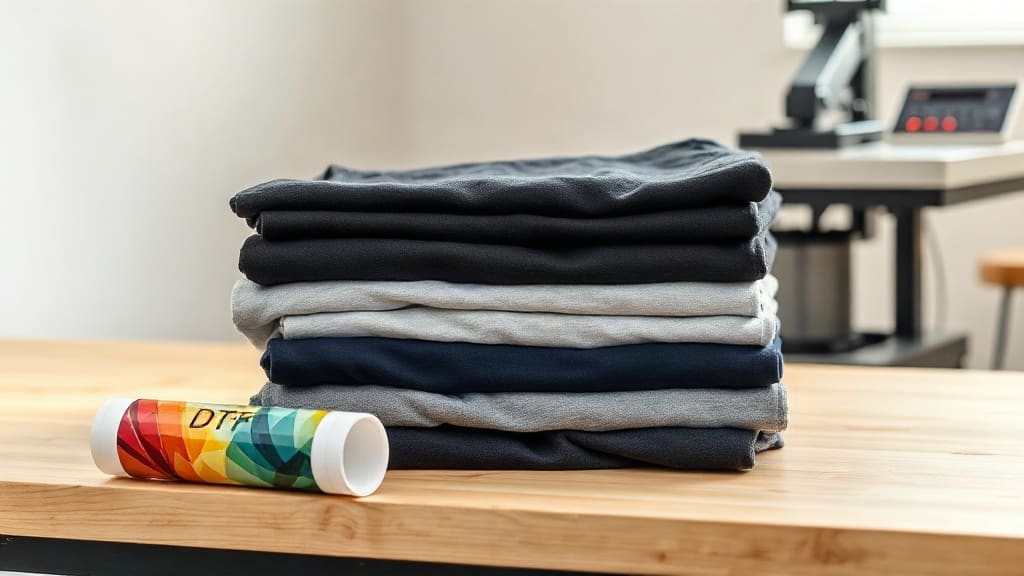
When you pull a freshly pressed DTF transfers shirt off the platen and see crisp lines, vibrant colors, and zero cracking, that feeling never gets old. But that perfect result doesn't happen by accident. It starts with the blank you choose. In the world of garment decoration, the term smart blanks refers to apparel that's engineered to work flawlessly with heat-applied graphics, and if you're still pressing onto whatever tee is cheapest, you're leaving quality on the table. Brands like Shaka Wear have built a reputation among decorators for delivering blanks that check every box: consistent fabric, tight weave, and a surface that bonds with adhesive powders and films like they were made for each other. In this article, I'll share what I've learned from years of pressing DTF onto hundreds of different garments, and how choosing the right blank can transform your output from amateur to professional.
Why the Blank Matters More Than You Think
Let's be honest: most people focus on the printer, the ink, the powder, and the curing temperature. All of that matters, but the substrate is the foundation. A blank that's inconsistent in thickness, weave, or finish will sabotage even the most dialed-in DTF setup. I've seen transfers that looked perfect on one shirt fail miserably on another from the same brand just because the fabric blend varied between colors. That's why smart blanks are a game-changer. They're manufactured with strict tolerances so you get predictable results batch after batch.
When I first started, I used budget blanks from a local supplier. The prints looked okay initially, but after a few washes, cracks appeared along the edges. The culprit? A loosely woven cotton that allowed the transfer to shift during pressing. Switching to a tighter knit dramatically improved durability. That experience taught me that the blank isn't just a canvas; it's an active participant in the adhesion process.
What Makes a Blank 'Smart' for DTF?
Not all blanks are created equal. A smart blank for DTF transfers has specific characteristics that maximize adhesion and longevity. Here's what to look for:
- High cotton content or cotton/poly blend: 100% cotton works well, but a 50/50 blend often provides a smoother surface for the transfer to grip. Polyester can be tricky because it's heat-sensitive, but modern low-temperature DTF films handle it better.
- Tight weave: A dense weave prevents the transfer from sinking into the fabric, which can cause a textured look and weak bond. Ring-spun cotton is usually tighter and softer than open-end cotton.
- Minimal sizing or finishes: Some manufacturers apply chemical finishes that repel adhesives. Smart blanks are typically pre-shrunk and free of heavy coatings.
- Consistent color: Dye lots can vary, but smart blanks maintain uniform color, so your transfers look the same on every piece.
Brands like Shaka Wear are popular because they consistently deliver on these points. Their tees are known for a substantial hand feel and a smooth face that accepts DTF powder evenly. I've pressed thousands of transfers onto Shaka Wear shirts and rarely encounter the frustrating issues that plague cheaper alternatives.
Shaka Wear: A Decorator's Best Kept Secret
If you haven't tried Shaka Wear blanks yet, you're missing out. This brand has quietly become a favorite among screen printers and DTF enthusiasts alike. Their garments are crafted from heavyweight cotton, often 5.5 oz or heavier, which gives them a premium feel and excellent durability. The tight knit means your DTF transfers sit right on top of the fabric, resulting in a smooth, professional finish.
One of my go-to tees is the Shaka Wear MAXWEIGHT. It's a 7.5 oz heavyweight tee that can handle thick ink and transfer layers without sagging. When I press a DTF transfer onto it, the result is a print that looks almost like it was screen printed, but with the fine detail that DTF excels at. The fabric's slight texture adds a nice depth to the print without interfering with adhesion.
Another advantage of Shaka Wear is their size and color range. They offer everything from XS to 5XL and a wide palette of colors. For a decorator, that means you can fulfill diverse orders without switching brands, which keeps your process consistent. I've used their tees for everything from small batch custom orders to large corporate runs, and the quality has been rock solid.
Choosing the Right DTF Transfers for Your Blank
Once you've selected a smart blank, the next step is matching it with the right DTF transfers. Not all transfers are created equal. Here's what to consider:
- Film type: Standard DTF film works on most fabrics, but for stretchy or synthetic blends, look for stretchable films that move with the garment.
- Powder compatibility: The adhesive powder must match the film and the fabric. Polyester requires lower melting temperatures, so use a low-melt powder to avoid dye migration.
- Transfer size: Larger transfers need a blank that can support the weight without wrinkling. Heavyweight blanks like Shaka Wear are ideal for big front or back prints.
- Color of the blank: DTF transfers are opaque, but on dark colors, a white underbase layer is essential. Ensure your transfer includes a white layer if needed.
At dtfproprint.com, we specialize in providing high-quality DTF transfers that pair perfectly with smart blanks. Our transfers are printed on premium film and paired with the optimal adhesive powder for your fabric type. Whether you're pressing onto a Shaka Wear tee or another smart blank, you'll get vibrant colors and a soft hand feel.
Step-by-Step: Pressing DTF Transfers onto Smart Blanks
Even with the best materials, technique matters. Here's my tried-and-true process for pressing DTF transfers onto smart blanks:
- Pre-press the garment: This removes moisture and wrinkles. Set your heat press to 300-320°F and press for 5-10 seconds.
- Position the transfer: Place the DTF transfer with the printed side up (adhesive side down) onto the garment. Use heat tape if needed to hold it in place.
- Press: Apply medium pressure for 15-20 seconds at 300-320°F. For Shaka Wear heavyweight tees, I often go 20 seconds to ensure full adhesion.
- Peel: Wait 10-15 seconds for the transfer to cool slightly, then peel the film off in a smooth, steady motion. If any part lifts, press again for a few seconds.
- Post-press: For added durability, cover the transfer with parchment paper and press for another 5-10 seconds. This smooths the print and improves wash resistance.
I've used this method on countless Shaka Wear blanks and other smart blanks, and the results are consistently excellent. The key is to adjust temperature and time based on the fabric weight and blend.
Common Pitfalls and How to Avoid Them
Even with smart blanks, things can go wrong. Here are a few issues I've encountered and how to fix them:
- Transfer peeling after wash: This usually means insufficient pressure or time. Increase pressure and ensure the powder is fully melted. Also, check that the blank isn't treated with a fabric softener or stain repellent.
- Cracking: Cracking occurs when the transfer is too thick or the fabric stretches beyond the film's capability. Use a stretchable film for stretchy fabrics and keep the transfer size reasonable.
- Dull colors: If colors look muted, you might be over-pressing. Too much heat can dull the inks. Stick to the recommended temperature range and avoid pressing for too long.
- Dye migration: On polyester blends, dyes can bleed into the transfer. Use a low-melt powder and pre-press the garment to remove excess dye.
By choosing smart blanks and following best practices, you'll minimize these issues and produce professional-grade apparel every time.
Frequently Asked Questions
What are smart blanks and why are they important for DTF transfers?
Smart blanks are garments designed with consistent fabric, tight weave, and minimal finishes to optimize heat-applied graphics. They ensure even adhesion, vibrant colors, and durability, reducing common issues like cracking or peeling. Using smart blanks like Shaka Wear can significantly improve your DTF transfer results.
Can I use DTF transfers on any fabric, or do I need special blanks?
DTF transfers work on a wide range of fabrics, including cotton, polyester, and blends. However, for best results, choose smart blanks that are tightly woven and free of heavy finishes. Polyester requires lower pressing temperatures and a low-melt powder to prevent dye migration.
How do I prevent DTF transfers from cracking on Shaka Wear tees?
To prevent cracking, use a stretchable DTF film if the fabric stretches, avoid oversized transfers, and follow the correct pressing parameters. Press at 300-320°F for 15-20 seconds with medium pressure, and post-press for added durability. Shaka Wear's tight knit also helps reduce cracking by providing a stable surface.
What is the best temperature and time for pressing DTF transfers onto smart blanks?
Generally, press at 300-320°F for 15-20 seconds with medium pressure. For heavyweight blanks like Shaka Wear MAXWEIGHT, you may need 20 seconds. Always pre-press the garment and allow the transfer to cool before peeling. Adjust based on fabric type and transfer size.
Where can I buy high-quality DTF transfers for smart blanks?
You can find premium DTF transfers at dtfproprint.com. We offer a range of transfers optimized for smart blanks, including those from Shaka Wear. Our transfers feature vibrant colors, soft hand feel, and excellent durability. Visit our site to explore options and place your order.